Proactive work: ZALA T-16 guarding energy and technological facilities during spring anomalies
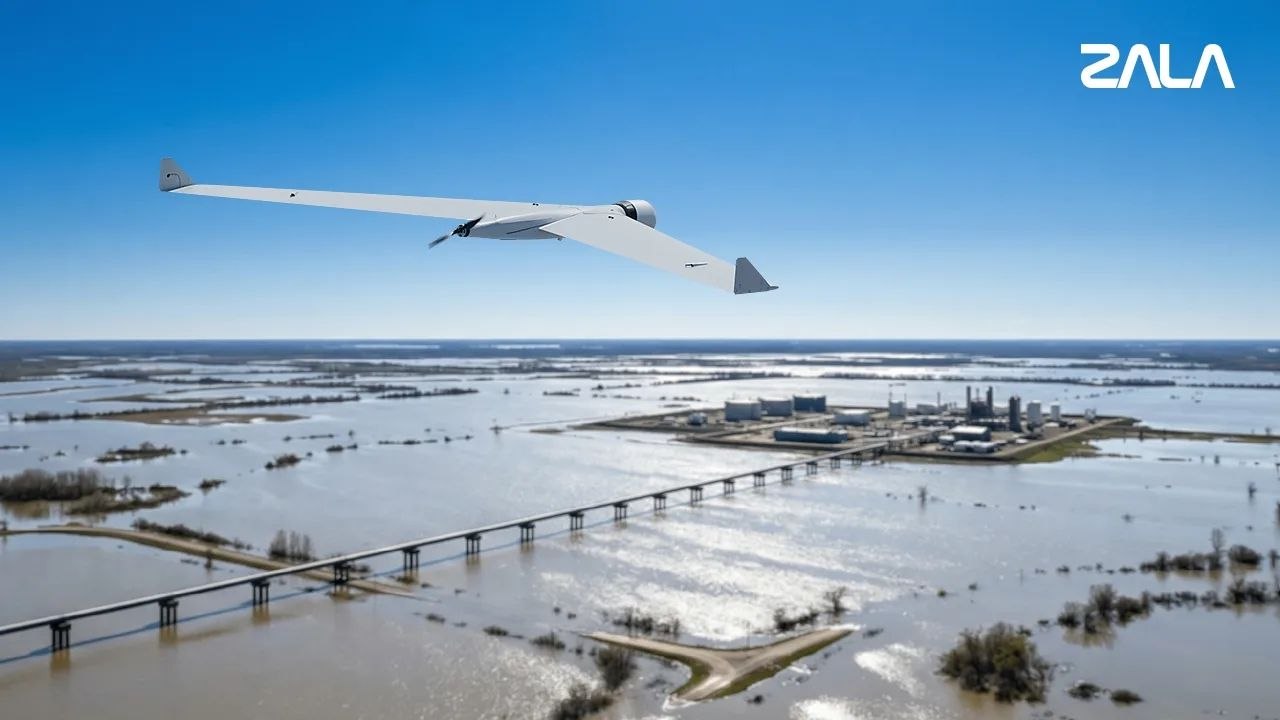
Spring 2026 poses a challenge to Russia's fuel and energy complex: heavy snowfall and an unusually warm spring threaten floods in Central Russia, the Volga region, and Siberia, followed by early fires. Oil and gas pipelines, pumping stations, reservoirs, and dams are under threat: soil erosion and dry grass fires could trigger emergency situations. In this regard, oil and gas companies have already moved to active preemptive monitoring using the ZALA T-16 unmanned complex with with the IRRA AI-based hardware-software complex.
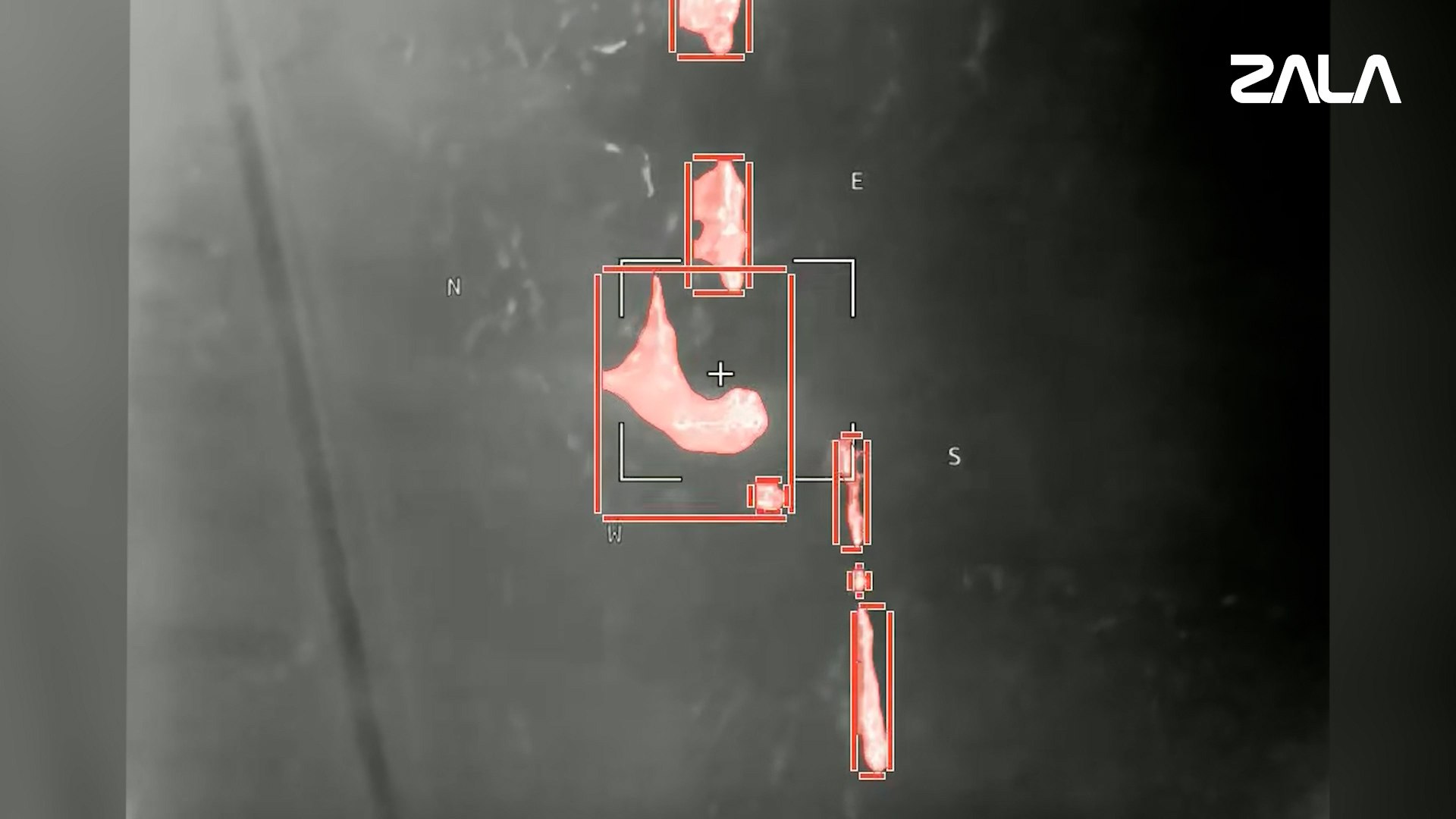
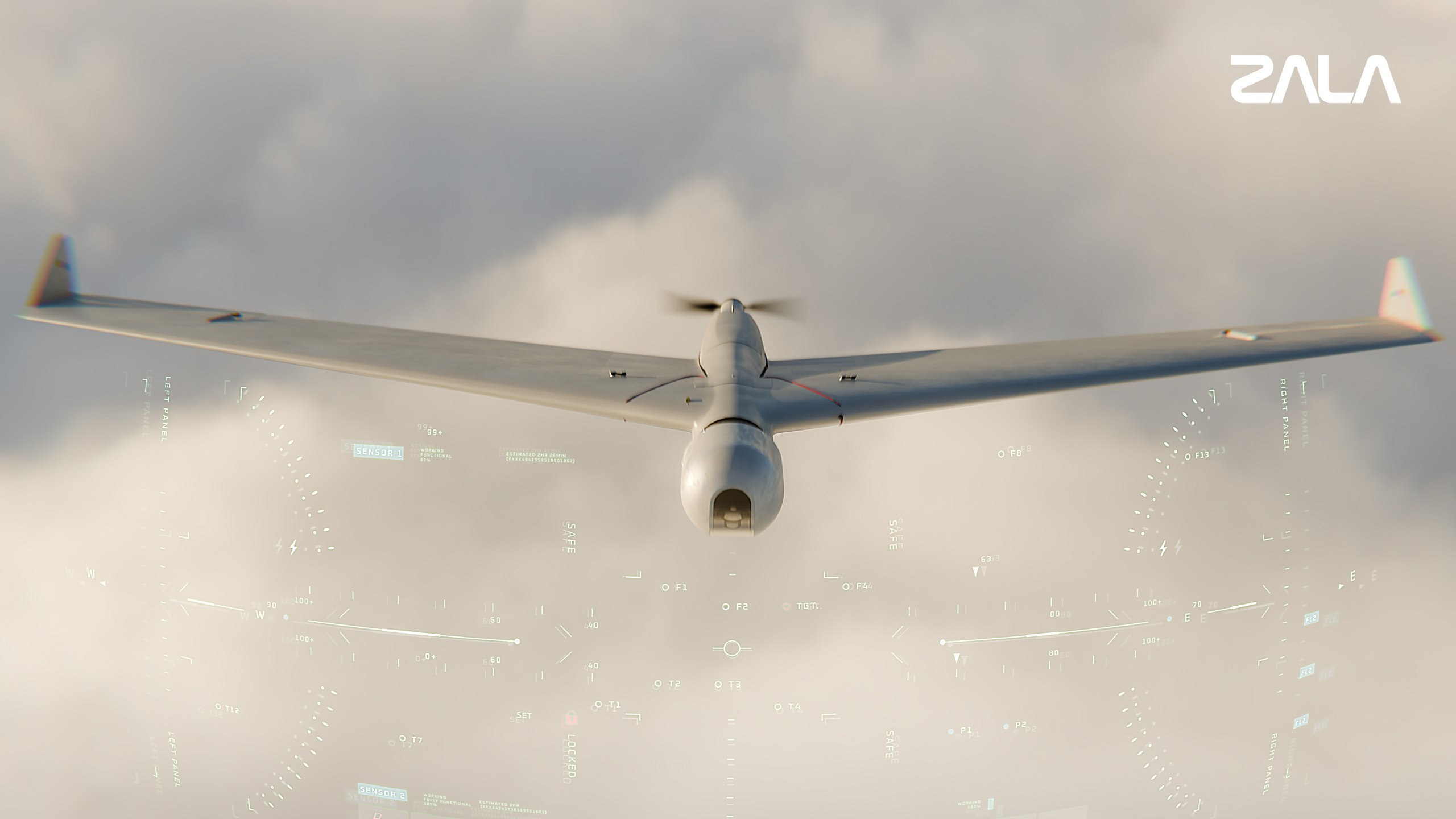
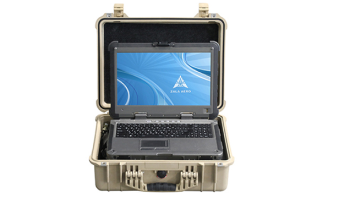
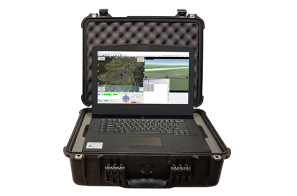
The ZALA T-16 records video in daylight, night-time, and thermal imaging modes. On-board UAV machine vision algorithms analyse frames in real-time, classify deviations and transmit ready signals to the operator: flooding zone, thermal anomaly near a pipe, signs of soil erosion. Integration with the ZALA 4Z1 platform allows real-time viewing of video and analytics from anywhere in the world. The T-16 has a flight duration of over four hours and can survey more than 75 km of pipelines per flight. Reliable communication and alternative navigation ensure uninterrupted operation even in a complex radio-electronic environment. According to data from fuel and energy companies, thanks to ZALA's intelligent solutions, 70% events are recorded in real-time, which significantly reduces the response time to a threat.
In 2025, ZALA T-16 systems at the oldest oil and gas field of the fuel and energy complex surveyed over 5 million km of routes. This is equivalent to 13 Earth-Moon distances or 6 return flights. The result: thousands of incidents averted, cost savings, and a guarantee of industry uptime.