
«The »eyes« of the Vostok group of forces»
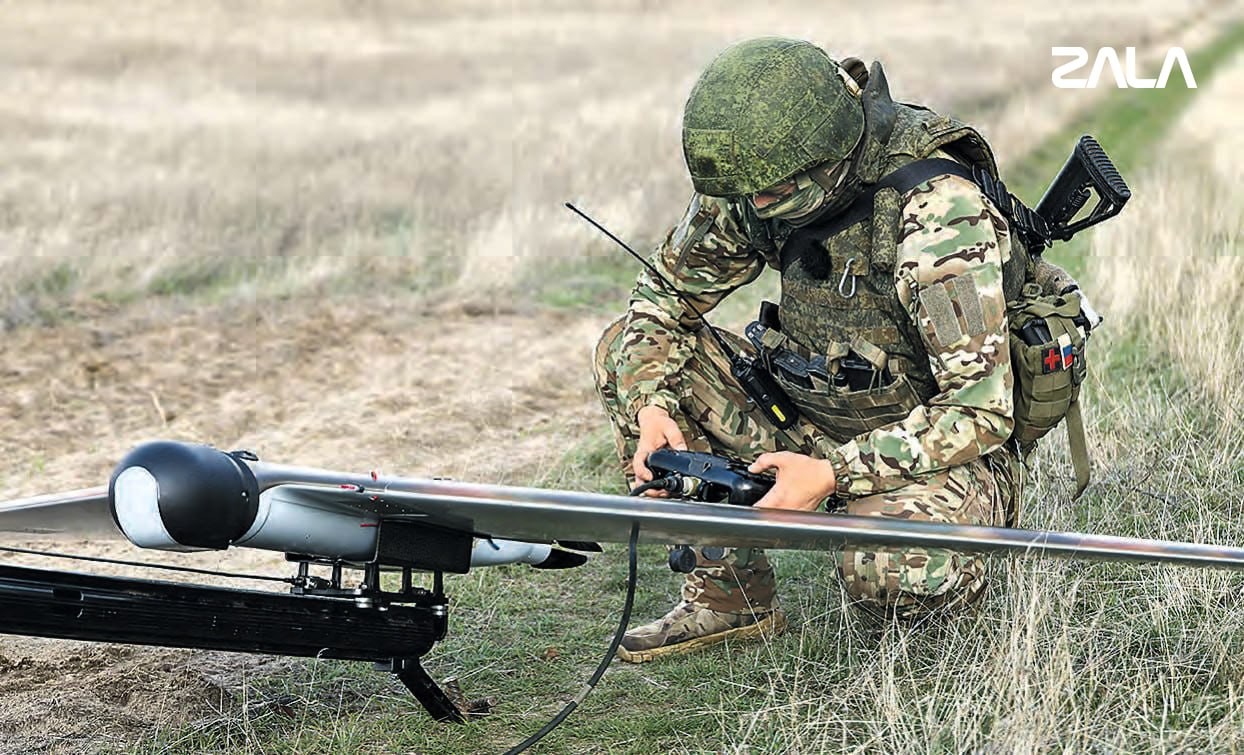
Drone operators of the reconnaissance units of the Vostok group of forces are providing units with information on enemy movements in the Zaporizhzhia direction. The results of the artillery's work and the success of the assault groups directly depend on the accuracy of the data transmitted by the unmanned aviation crews. A serviceman with the call sign Tailung is one of those specialists whose main task is to find what the Armed Forces of Ukraine are trying to carefully conceal. Read about his combat work in the latest instalment of our regular feature. #operators.
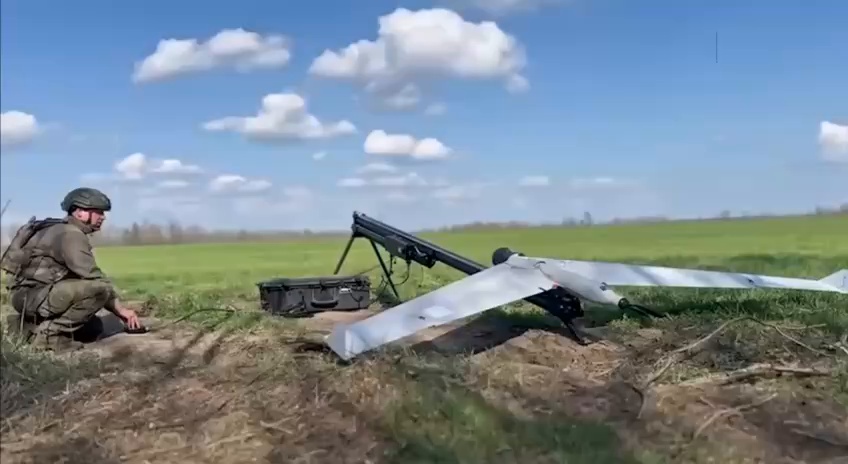
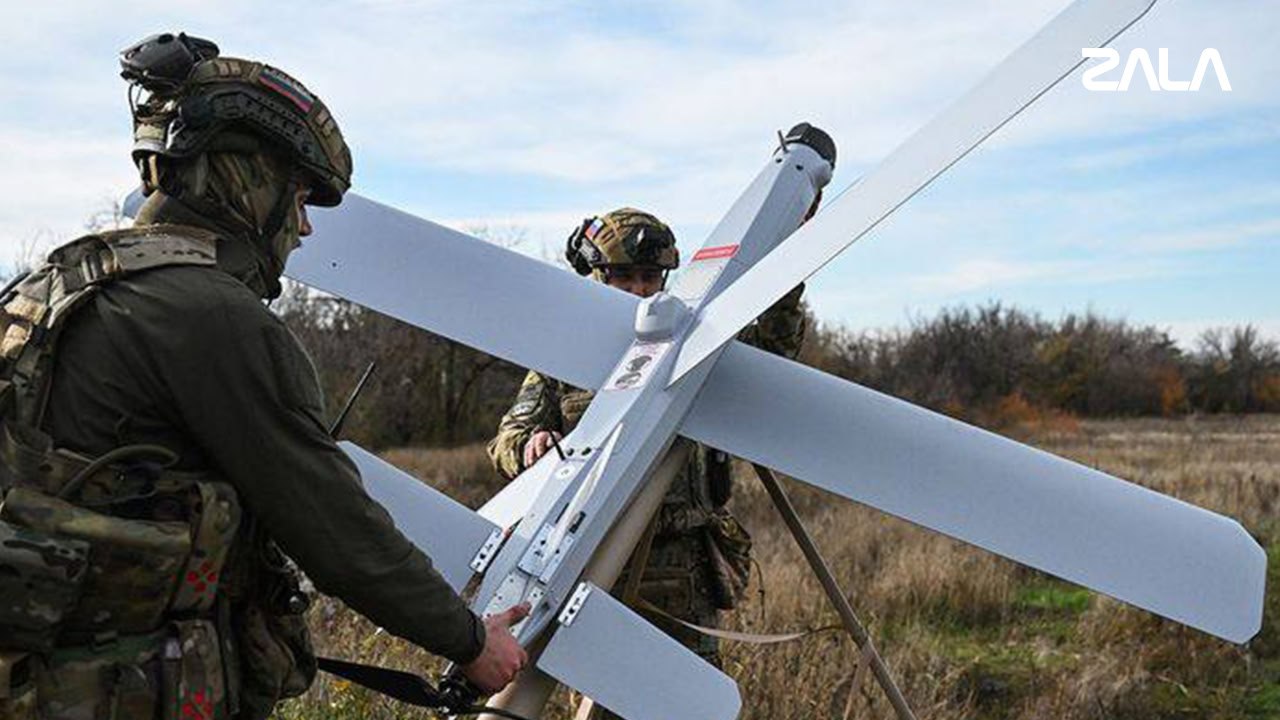
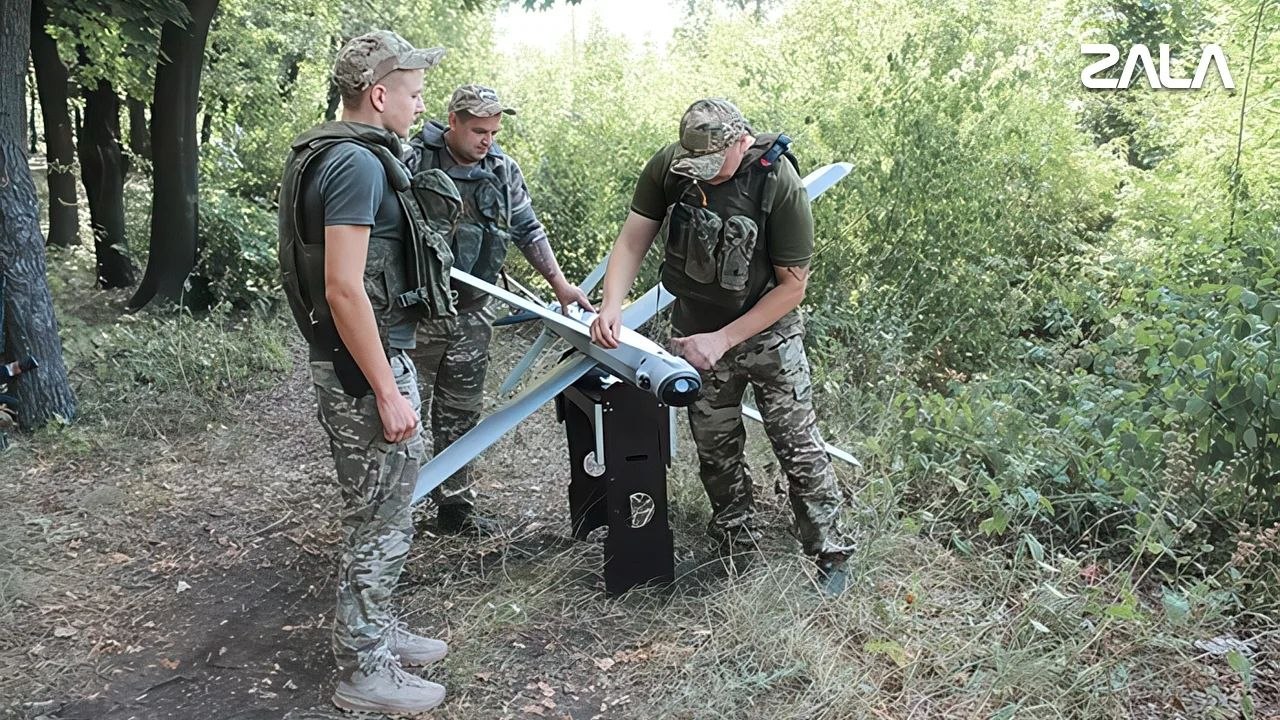
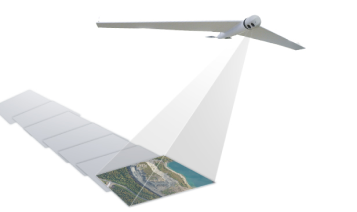
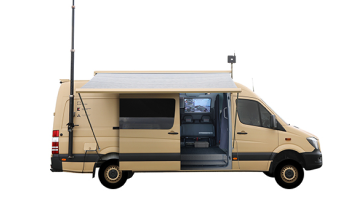
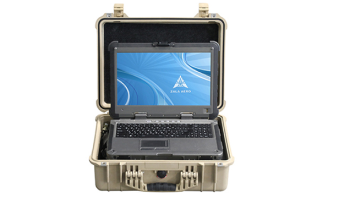
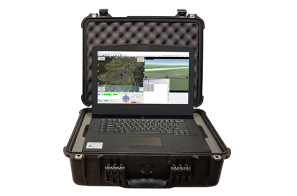
Tailong is piloting a ZALA unmanned aerial vehicle — an aeroplane-type drone that requires specialised skills. The assault teams were advancing. They needed to monitor the situation from above to avoid falling into an ambush. Without «eyes» in the sky, the risk increased many times over. The higher command assigned the ZALA crew the combat mission of ensuring the successful advance of the assault unit. The «Bird» was launched from a catapult. The operator guided the drone to the designated area, where it was to operate whilst facing enemy electronic warfare countermeasures.
From the air, a panorama of the battle unfolded. The operator noticed AFU vehicles deploying from the tree line on the left flank towards our assault troops. Tailung recorded the coordinates of the enemy concentration point. The data was instantly sent to the command post. Within a couple of minutes, the artillery covered the grid square. Tailung watched a cloud of black smoke on the screen. The threat had been eliminated before it could strike.
«When you see stormtroopers get through a difficult section and secure a foothold thanks to your coordinates, you realise the day wasn't wasted,» explains Tailung.
Target acquisition is continuous, intense work. The enemy drives their vehicles into hangars, covers them with camouflage nets, and hides them in thick undergrowth. Sometimes an ambush can only be detected by indirect signs: a fresh track of caterpillar treads that ends at the edge of a shelterbelt, or a thermal hot spot where there shouldn't be one.
Recently, during aerial reconnaissance near the settlement of Zaporozhskoye, Tailung was surveying the private residential sector. Destroyed roofs and empty courtyards flashed across the screen. The picture looked lifeless. Perhaps another UAV operator would have passed by this grid square. But Tailung caught on to one detail: near a semi-ruined house on the road, ruts made by wheels were visible, even though everything around had long been overgrown with weeds.
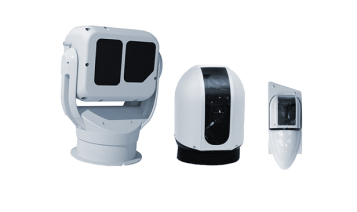
The operator flew the drone around for a second pass. The thermal imager showed that there were small heat sources inside the abandoned house. A figure flashed in the doorway for a second. That was enough. Tailung placed a marker on the building. Having verified its accuracy, the operator transmitted the data. The artillerymen acted promptly. The building, which had been turned by the UAF into a temporary deployment point, collapsed inwards from a direct shell hit like a house of cards.
It became known later that up to thirty enemy personnel were in the basement of the building. They felt safe beneath the concrete flooring, unaware that a tyre track at the gate had given them away, and the vigilance of a Russian serviceman from the unmanned systems forces with the call sign Tai Lung left them no chance.
«You need to be able to correlate facts. To see what isn't obvious at first glance. Plus technical literacy. If you don't understand how a UAV will behave and how the camera works, you'll be useless,» says the serviceman.
Based on the issue of the «Boevaya Vakhta» newspaper dated 23 January 2026, No. 7


 Russian
  English