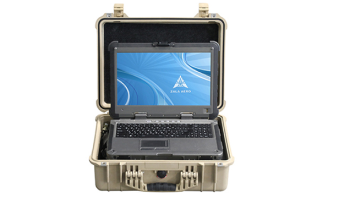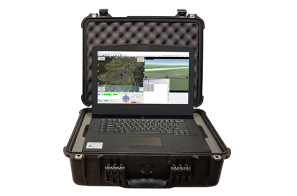
ZALA T-16 has proven its resistance to magnetic storms in the Far North.
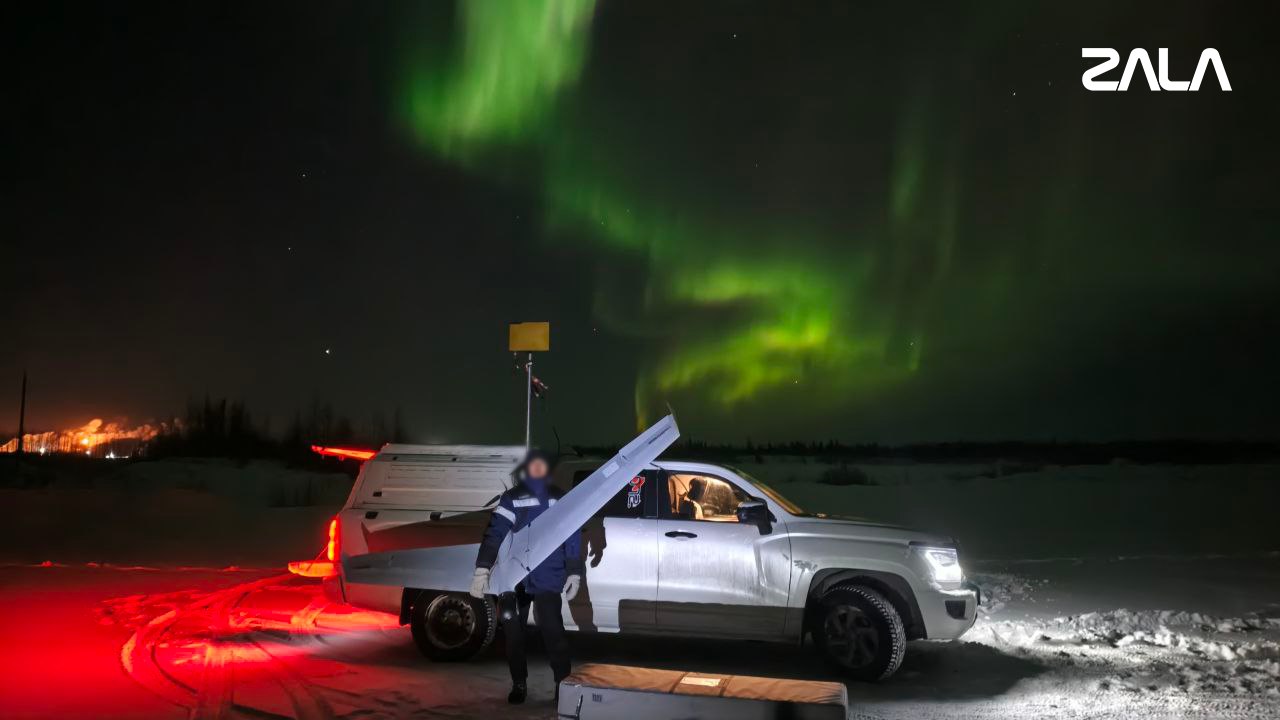
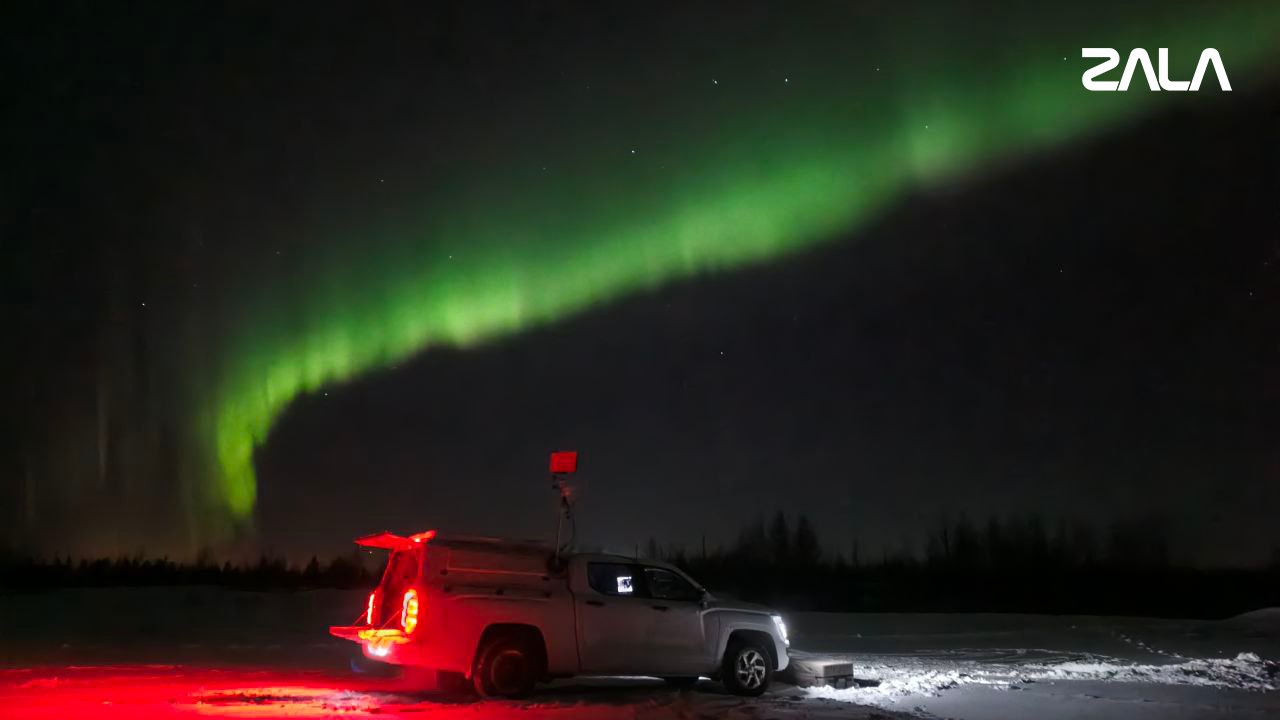
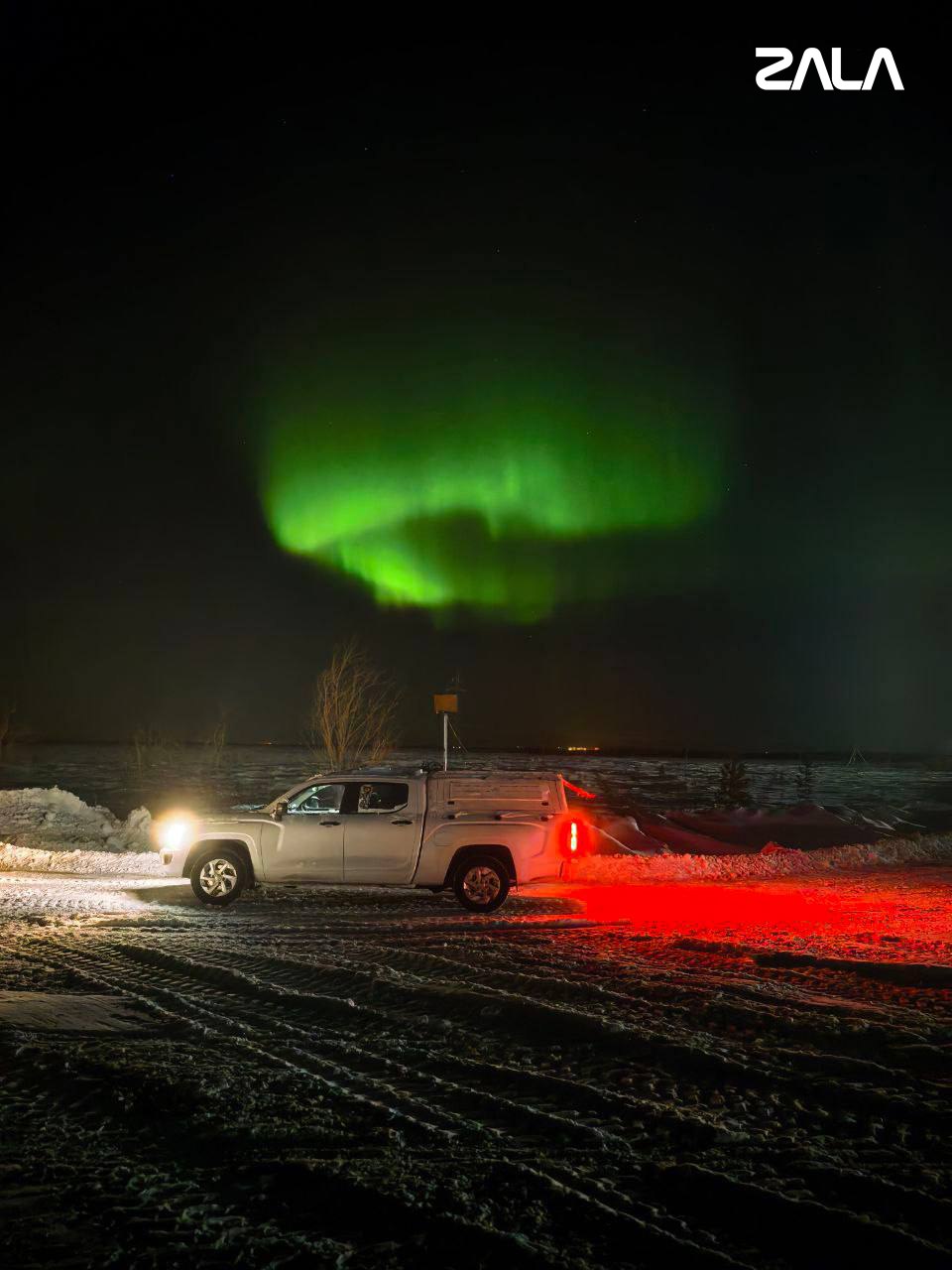
Operators of ZALA T-16 unmanned aerial vehicles operating in Russia's northern regions not only monitor fuel and energy infrastructure but also regularly record a unique natural phenomenon—the northern lights. Operations at high latitudes, where the likelihood of auroras is particularly high, have proven the reliability of ZALA equipment in conditions of increased solar activity.
According to astrophysicists' predictions, 2025 will be the peak of the 11-year solar activity cycle. This poses serious challenges for electronic equipment, as charged particle streams cause powerful radio interference. However, the ZALA T-16 systems demonstrate stable operation even during periods of strong magnetic storms.
The UAV's key advantage is its interference-resistant communications system with a range of up to 100 km, as well as the use of alternative navigation systems. This allows the device to maintain full functionality even during temporary loss or suppression of satellite signals during geomagnetic disturbances.