
Marines smash the enemy with «Lancets»
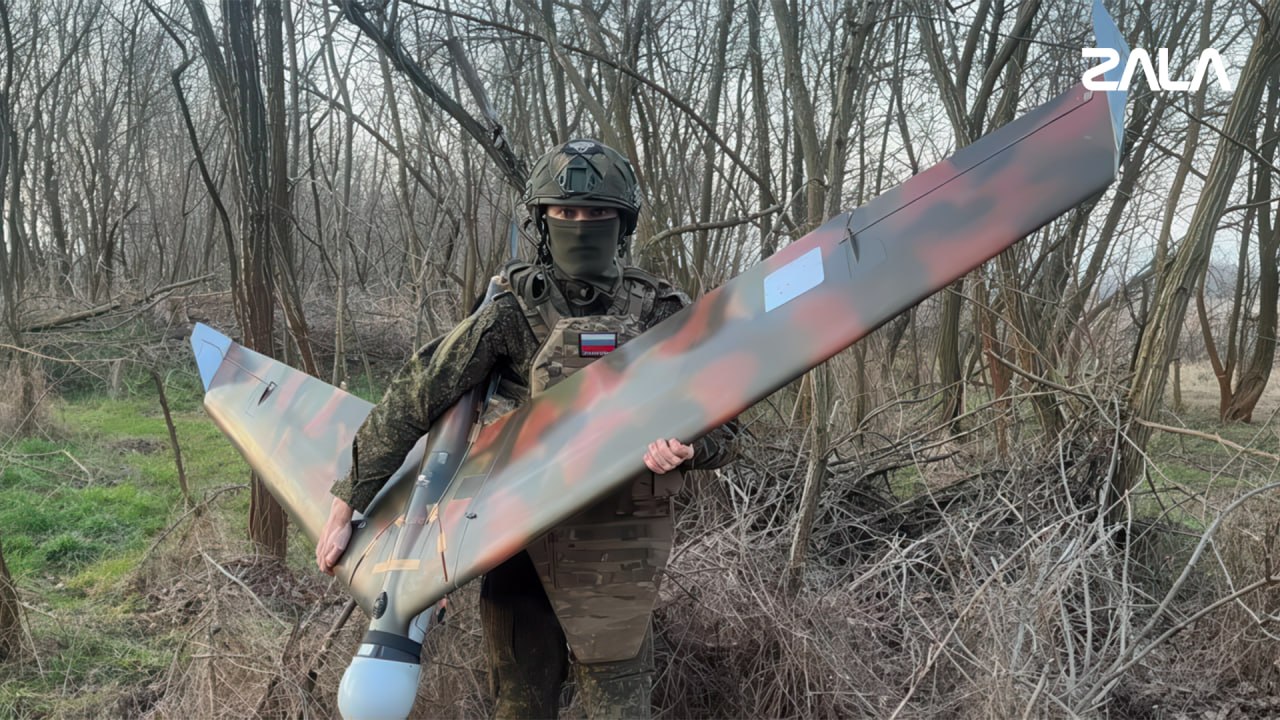
As part of the 120th Guards Naval Infantry Division of the Centre group of forces, a unit is operating equipped with ZALA «Lancet» UAV systems. The drone operators are successfully conducting aerial reconnaissance, adjusting artillery fire, and destroying targets in the Dobropillia direction. The latest feature in our regular column covers the combat operations of the «Lancet» reconnaissance and strike complex crews. #operators.
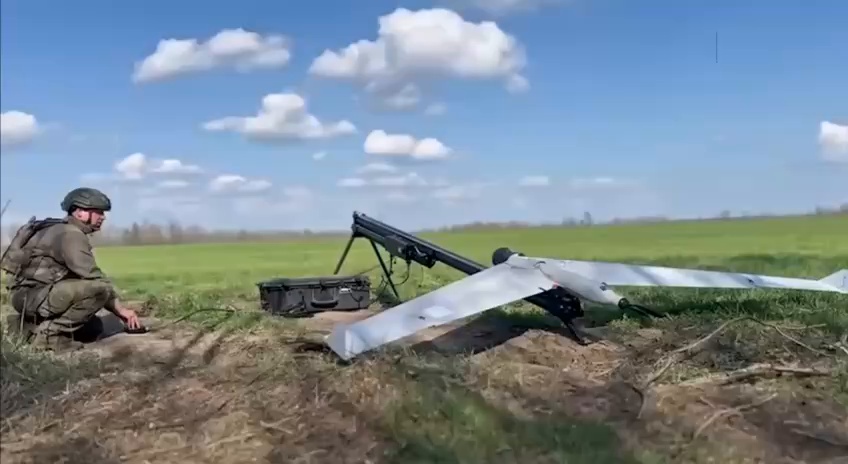
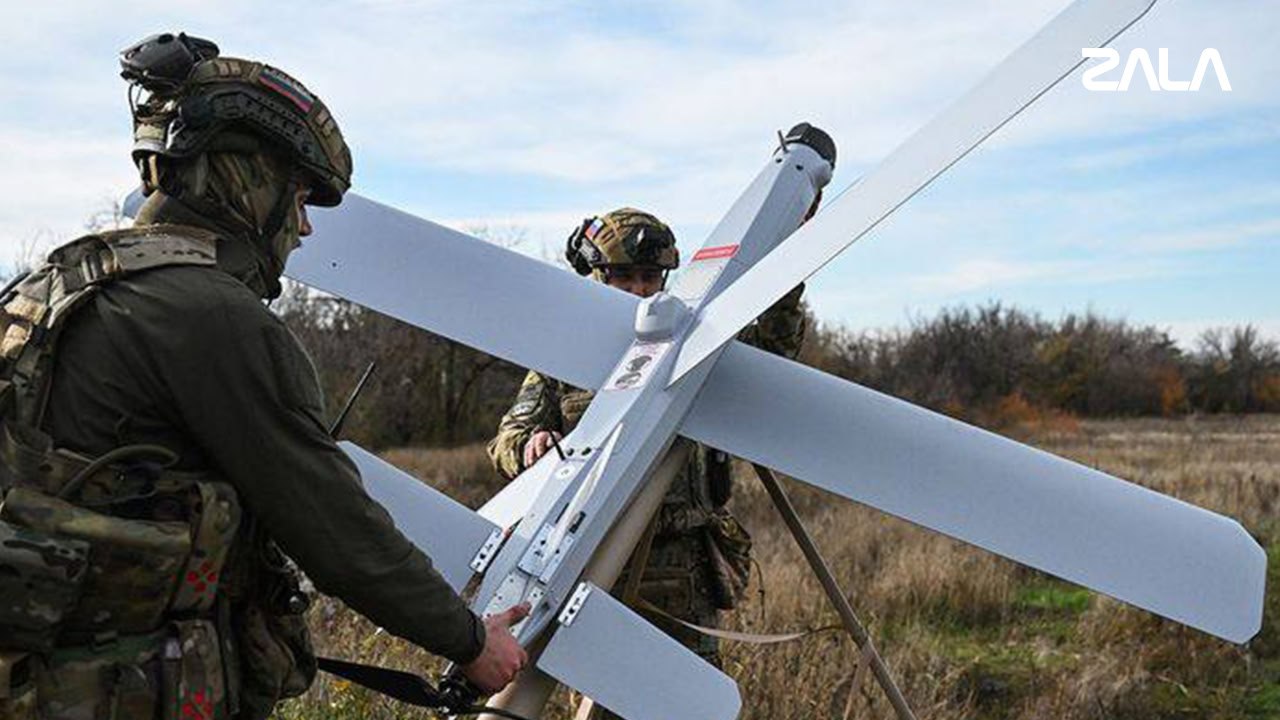
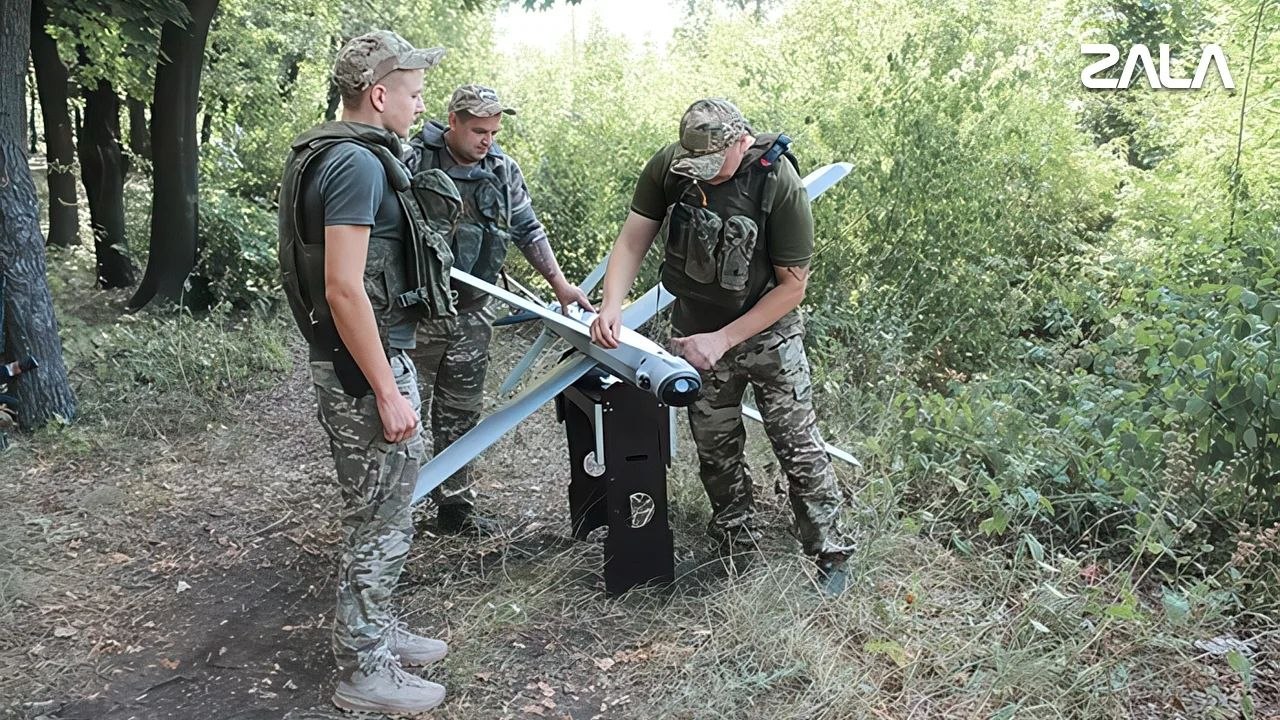
Waves of liquid mud fly up from beneath the car's wheels. Then it sharply turns into a belt of trees. Two marines jump out of it. Without wasting words, they take out their equipment. One assembles the catapult, and the other the aircraft. They run diagnostics on all controls and launch the drone ZALA into the sky.
– As technicians, we service the aircraft, prepare it for flight, check its functionality and launch it. After the flight, we receive it upon landing. We mostly receive commands from the operators. That is, they inform us when the aircraft needs to be lifted and when they will be landing it, – says the serviceman with the call sign «Enot».
After the launch, the marines quickly dismantled the catapult, jumped into the vehicle and drove away as far as possible. Meanwhile, far from the launch site, the operators are sitting in a secure shelter. They are the ones who took over the control of the unmanned aerial vehicle.
– The drone is heading to the mission area, where we will conduct reconnaissance and search for the target. As soon as we find it, the technicians« crew launches the Lancet loitering munition, – explains »Tagil«, squad leader of the strike and reconnaissance platoon.
Finding and recognising enemy objects using a UAV ZALA is not as difficult as it might seem at first glance. The camera has a good zoom. From 1 to 1.5 kilometres away, it allows you to watch a person walking through a village. From 500 metres, you can already make out a small animal. Furthermore, the operators themselves are quite experienced and know the given grid square well.
«We quickly figure out where the aircraft is flying. We already know the entire area, practically every trench, what's in that trench, whether there were people there or not, or when it was destroyed,» says Tagil.
And now the target has been found. The command quickly assesses the situation and decides to destroy it using a «Lancet». The technicians immediately head out to the position, launch the munition, and the second operator – a marine with the call sign «Sova» – guides it to the designated area. A little while later, the drone's video camera ZALA transmits a direct hit. Within a few minutes, «Tagil» assesses the extent of the damage caused.
Another enemy combat vehicle has been added to his unit's overall tally. Since 2023, the strike and reconnaissance platoon, of which Tagil's section is a part, has destroyed over 300 targets. These have included tanks, anti-aircraft missile systems, MLRS installations, artillery pieces, including around ten M777 howitzers, and various vehicles, including US-made ones. In addition, UAV operators have destroyed enemy dugouts and other structures.
The strike-reconnaissance platoon cooperates with other units as well, and depending on the situation, operators can pass their targets on to comrades-in-arms and adjust their fire. For instance, Tagil's section conducts reconnaissance in the interests of artillery, scouts, assault troops, and even operational-tactical aviation.
There were many instances where the marines found, say, a UAV crew deployment point. In such cases, the command would often decide to strike the target using air-delivered ordnance. «Tagil» would leave a reconnaissance drone in the designated sector and then watch as a heavy FAB-500 equipped with a universal planning and correction module completely destroyed everything.
Based on the Red Star newspaper of 18 March 2026, No. 47



 Russian
  English