
I changed my specialisation and became an aerial sniper
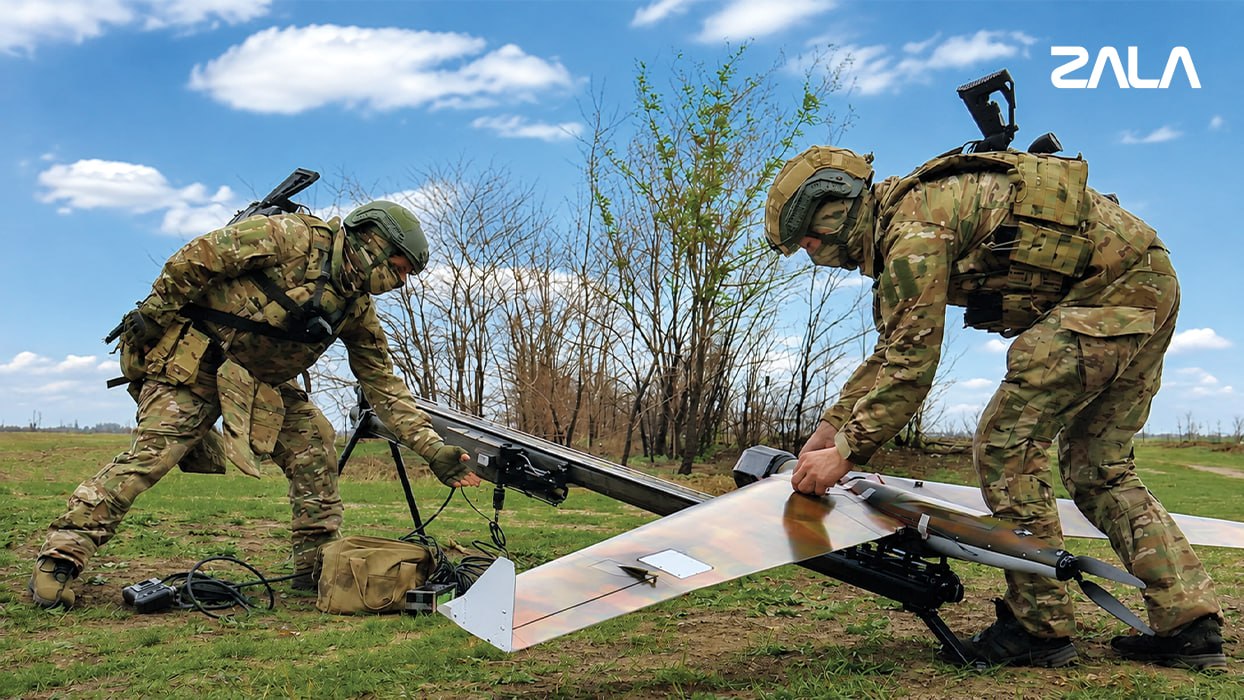
The combat operations of the ZALA «Lancet» command post crew from the «Dnipro» task force — in the latest instalment of the series #operators.
It’s only just beginning to get light outside, but the ZALA crew, having received their combat mission, are already moving out to their launch point. The lads need to reach their designated location before the enemy «wings» take to the skies.
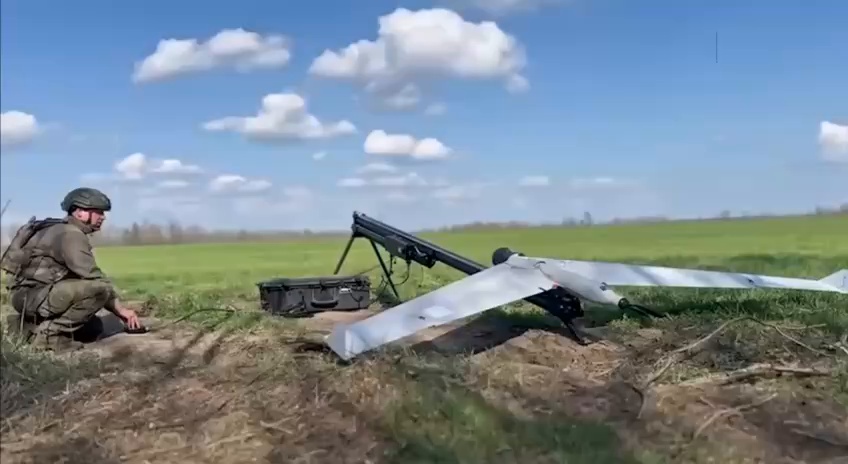
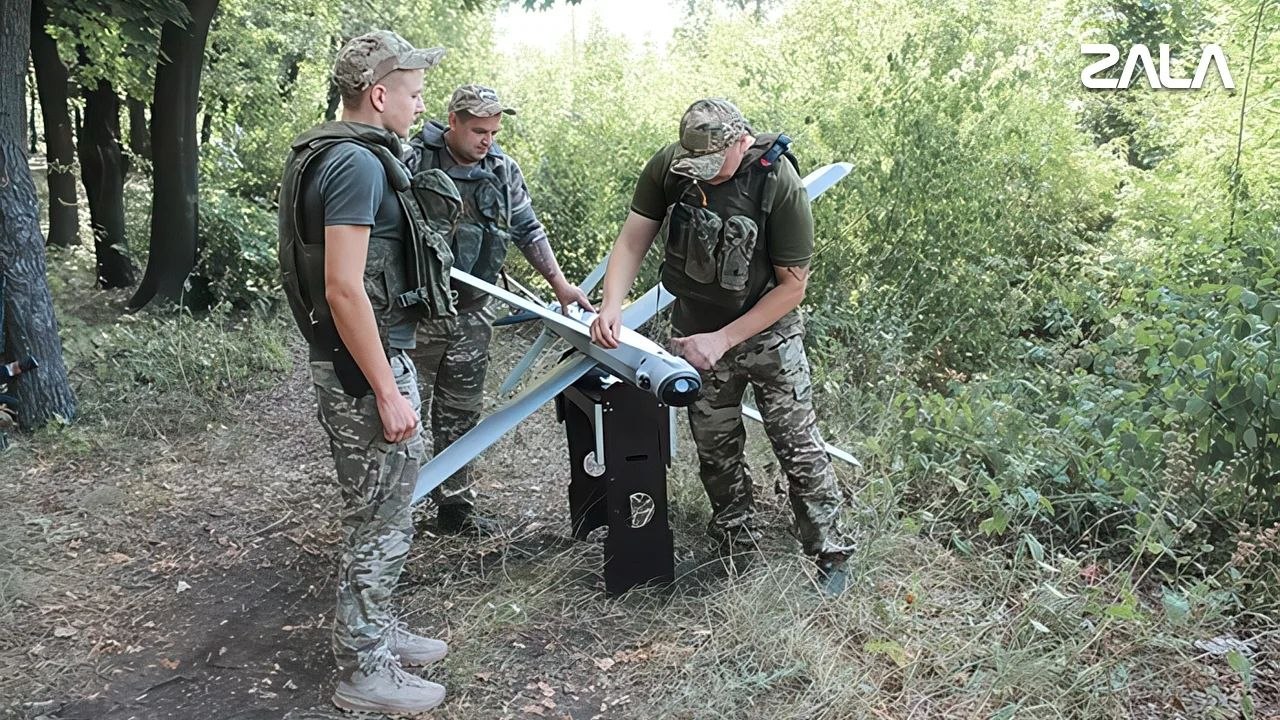
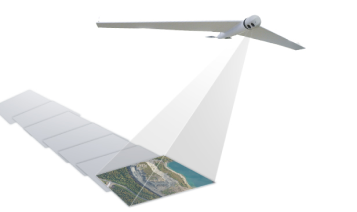
Here we are at the launch site — on the edge of the tree line. The crew begins preparations to launch our «wing» — the ZALA reconnaissance UAV. First, the crew members set up the launch pad. Then the operator, call sign «Zhuk», opens the transport case and begins assembling the drone. Next comes the pre-flight preparation. The whole process takes no more than five to seven minutes, though the lads often work even faster – every second counts here. Once all the necessary preparations for the flight have been completed, the lads launch the ‘wing’ into the sky and move to a safe location.
The combat tasks assigned to ZALA technicians and operators are varied: conducting aerial reconnaissance and engaging enemy forces and assets that have already been detected. They have to work day and night.
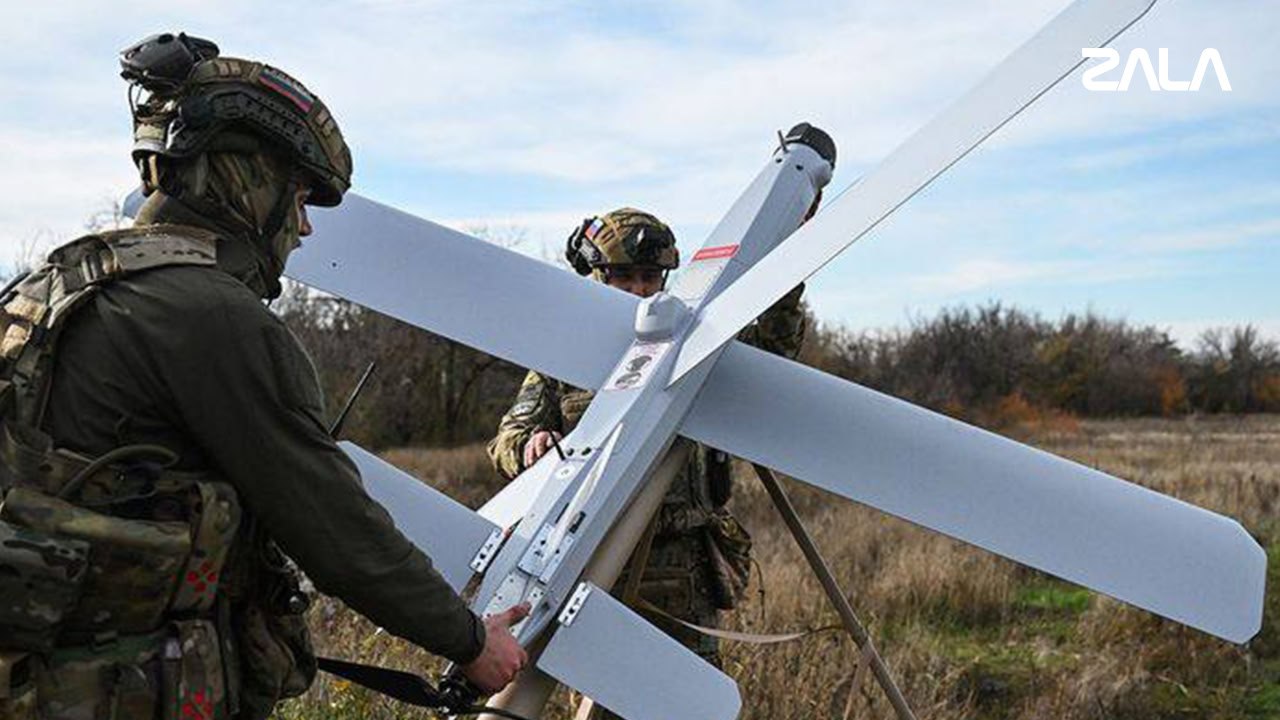
«We have to carry out a variety of tasks,» says Zhuk. «As the ZALA is a reconnaissance and strike system, our combat duties reflect that.» Speaking of personal preferences, I’m more keen on taking out enemy equipment, but I should point out that I’m also capable of conducting reconnaissance from this «wing». Every member of the crew, regardless of their role, can both launch and pilot this drone. There is complete interchangeability when carrying out combat missions. As well as launches and in-flight operations, we also carry out maintenance on the system and some repair work that can be carried out in the field. Depending on the choice of warhead, the ‘Lancet’ loitering munition can engage armoured vehicles, artillery and enemy strongpoints. After all, the ‘Lancet’ can carry both high-explosive fragmentation and shaped-charge warheads. Depending on the nature of the identified target, we select the appropriate type of warhead and engage previously detected targets.
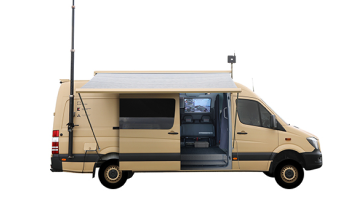
A control post has already been deployed in the shelter, and the crew is commencing combat operations. My interlocutor takes his workstation. Target selection depends on the enemy's actions, meaning the commander sees all movements within the area of responsibility and, based on this data, assigns priority targets to each crew. Information about an enemy self-propelled artillery system came in for the guys. Having clarified the landmarks and target coordinates, Zhuk guides the Lancet loitering munition to the designated point. And then at the site where the enemy SPG was spotted, an explosion flashes first, followed by a column of black smoke rising into the sky. The reconnaissance group confirms the target's destruction, and the crew moves to the temporary deployment site.
– Reconnaissance spotted a self-propelled artillery position just as the enemy was moving out of cover, – explains Zhuk. – They saw the barrel and the nearby crew, carried out further reconnaissance while tracking the target, and we struck it. During my service, the crew has hit a large number of targets. We have encountered American M777 howitzers and various Western-made armoured vehicles. We have also had to work on enemy strongpoints. The main thing is that the enemy forces and assets we had to engage will no longer be able to hinder the actions of our troops.
Based on the issue No 105 of the newspaper «Boevaya Vakhta» dated 17 November 2025.


 Russian
  English