
Technologies ZALA provide environmental monitoring at energy production facilities
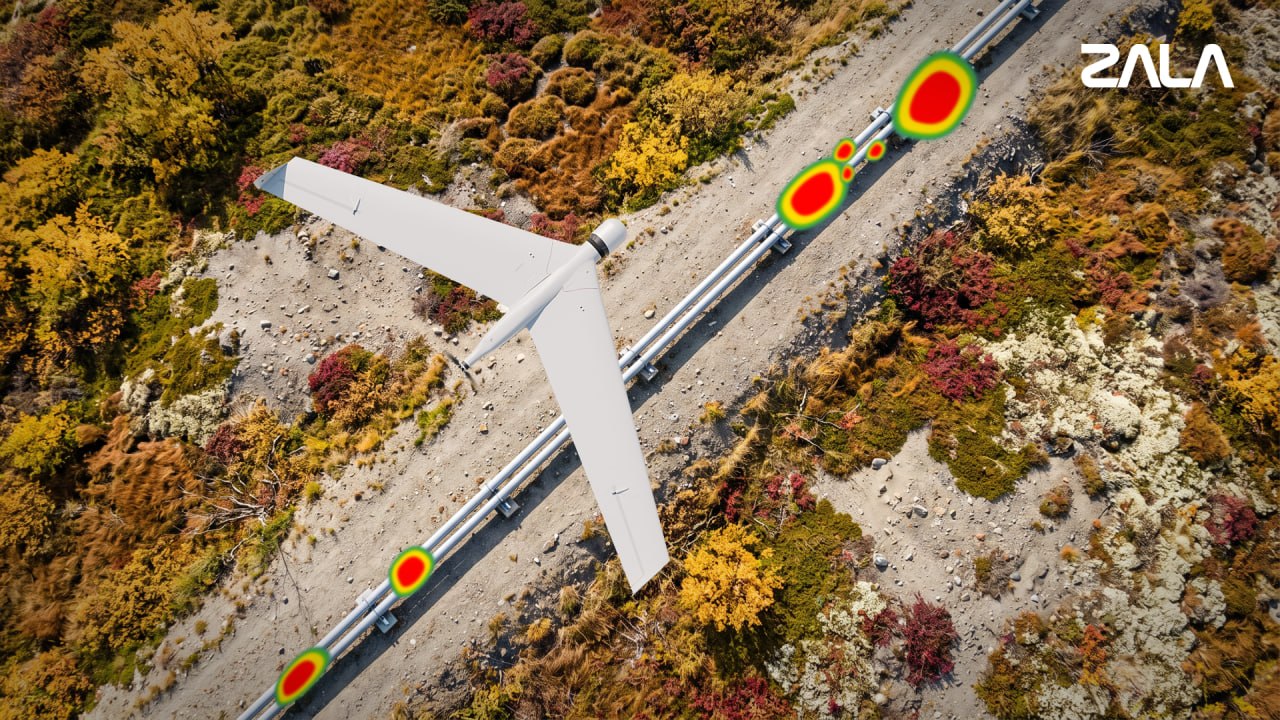
ZALA The seasonal stages of work to identify methane leaks at facilities in the Khanty-Mansiysk and Yamalo-Nenets Autonomous Districts have been completed. Using laser detectors, the company’s specialists are examining pipelines and industrial sites, including in hard-to-reach areas where gas leaks could pose a threat not only to the production infrastructure but also to the environment.
When entering the atmosphere, methane increases the greenhouse effect and affects climate change. Gas leaks can also disrupt the state of local ecosystems: high concentrations in the soil suppress plants and soil organisms, and damage to the vegetation cover affects the food base and habitats of animals. Therefore, the timely detection of leaks is an important part of environmental monitoring at thermal power plants.
The technology for detecting methane leaks and chemically dangerous compounds has been used ZALA since 2018. Its basis is a remote laser method that allows determining the concentration of gas in the air and precisely locating leaks that are invisible to the eye and traditional smog detectors.
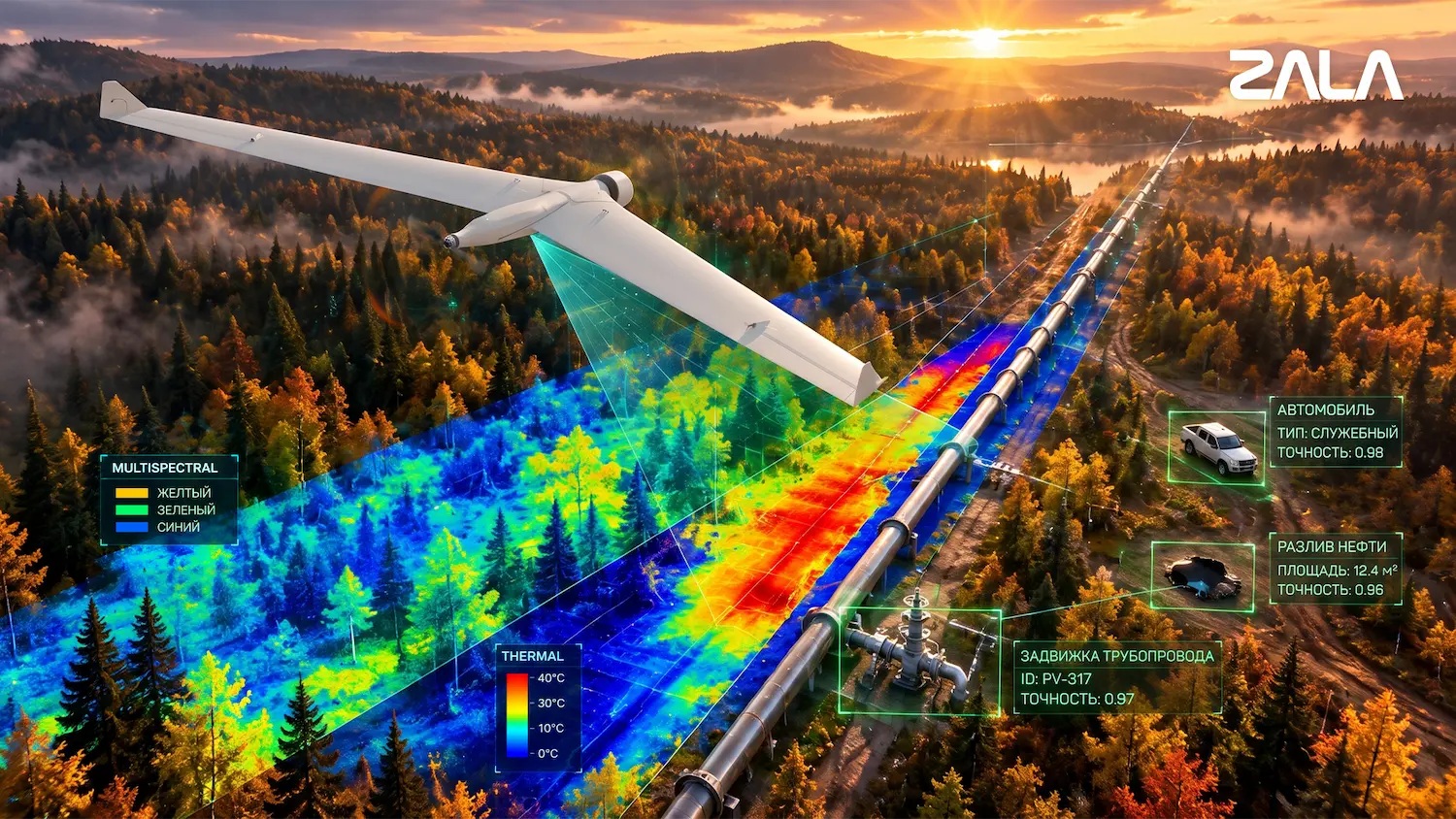
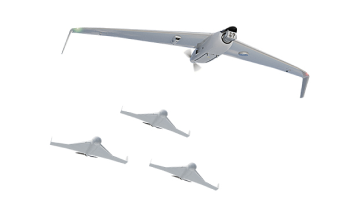
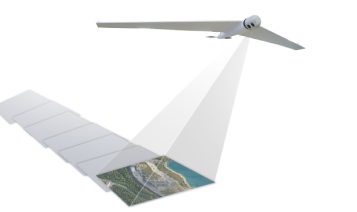
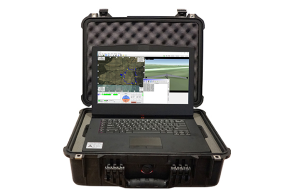
The monitoring is performed using the ZALA T-16 GAS UAV. The onboard system processes the data directly during flight, and the detection results are displayed on the ground control station. Specialists receive cards with identified deviations indicating methane concentrations, and, following the survey results, in accordance with legislation, they form photo plans and thermal maps with the designation of potentially dangerous areas. An important advantage of the technology is the ability to perform a control pass directly during a planned flight to clarify the received data and verify the detected deviations. This allows for prompt re-verification of the survey results without the involvement of additional equipment and ground services.
Unmanned monitoring allows for the inspection of long stretches of pipelines that pass through forests, swamps, and remote industrial areas without involving ground crews in potentially dangerous areas. The detection efficiency of leaks is twice that of manned aviation and comparable to that of manual inspection.
Today, the technology is ZALA used at oil and gas fields and energy facilities across the country. Every year, up to 10,000 kilometers of gas pipelines are surveyed using unmanned systems. Systematic monitoring allows for the timely detection of infrastructure leakage issues, reducing the risk of prolonged methane emissions and maintaining the environmental safety of industrial sites.


 Russian
 English