
In the flight of the Lancet. The enemy has no chance
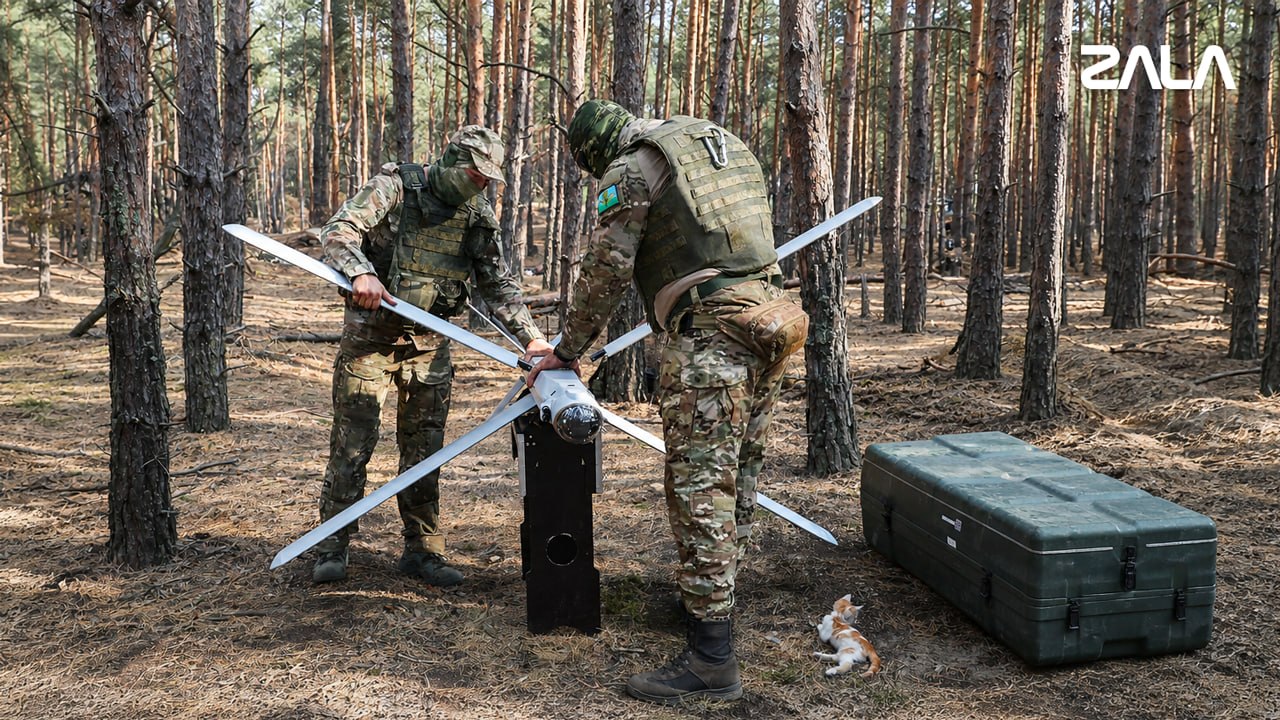
The calculations of the Lantzhet Special Forces Brigade of the 16th Special Forces Group of the «West» Military Group hit the targets precisely, and the enemy has no chance to remain undetected and survive. About the work of the fighters on the front line – in the new issue of the rubric #operators.
– On average, we operate at a range of about 70–80 kilometers, that is, we eliminate long-range approaches, supply lines and the enemy’s supply chain near the line of combat engagement. We can fly further, it all depends on the given task – explains the commander of the unit of unmanned systems troops with the call sign «Sever».»
I would like to clarify when the task will begin and what it exactly involves.
– Today we have to work with the received coordinates. It is expected that the enemy will be rotating in that area. Accordingly, we have already been informed about the given point; we have prepared: we have already determined the appropriate means of fire support and the necessary charge that will be most effective in these conditions, – lists Sever.
I ask how often his subordinates operate in this way, following predetermined coordinates. Is it often that they themselves find the enemy's positions and identify targets?.
– Usually, it’s 50-50. We find our own targets for the strike and, when confirmed by the senior commander, we use a strike weapon. Alternatively, we receive information about a ready-made target and we work on it immediately. It also happens to operate in a free-hunting mode, – explains the unit commander.
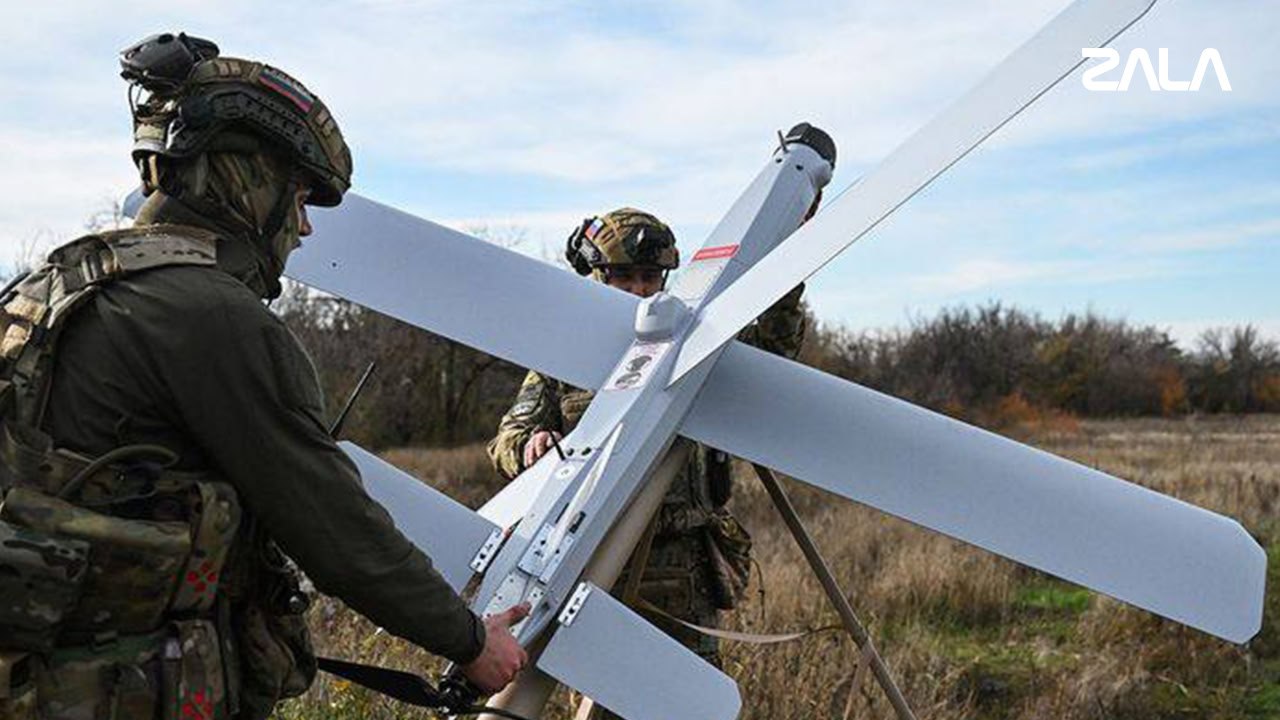
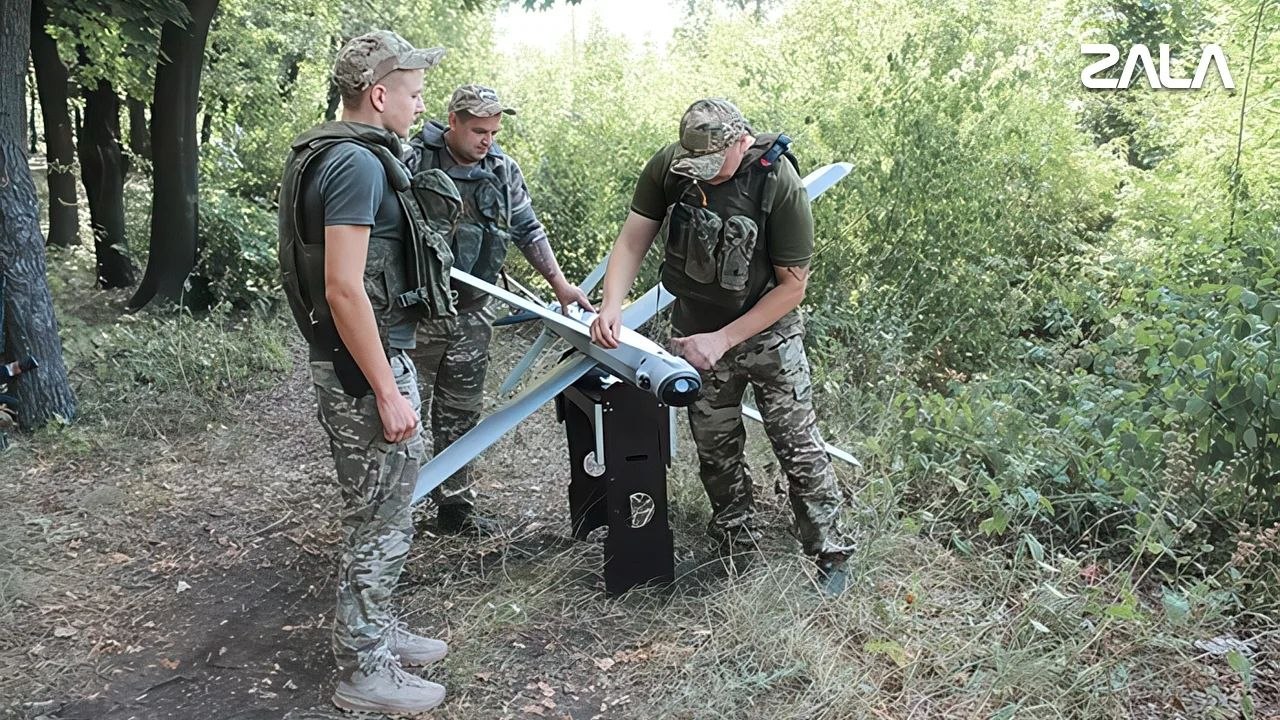
Please tell me in more detail what equipment is ready to solve today’s task. «We will use »Product 51«, that is, a barraging munition known as »Lancet’,” the military officer replies.
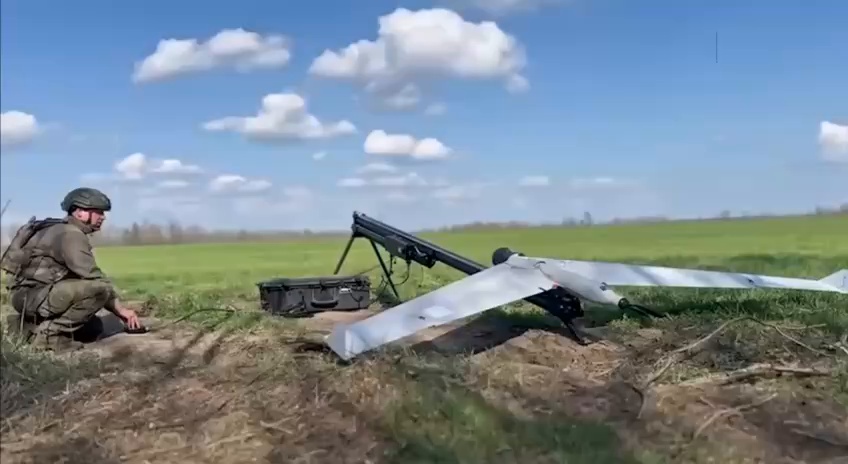
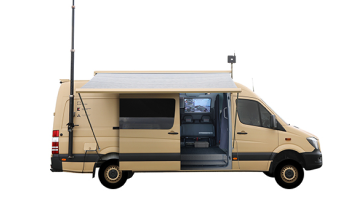
According to him, the cumulative-explosive fragmentation charge is already ready for use. A drone and a catapult for it are loaded into the vehicle. Along the way, there is time to talk with the commander of the ammunition stockpiling unit with the call sign «Vinnie.».
– I solve universal tasks. I can be both an operator and a technician. But my main activity is organizing work. To ensure that all tasks are completed on time, the equipment must always be serviced and ready to take off at the right moment – begins Vinnie.
He specifies that the dynamics of combat operations are currently quite high. Therefore, the forces are forced to change the launch points to avoid falling into the enemy's sights.
– We are maneuverable and mobile, so we can choose the most suitable point for launching. Our equipment allows us to do this; it is difficult for the enemy to track us down. We work quickly, but without fuss. To act quickly, we use a disposable catapult, – added the military officer.
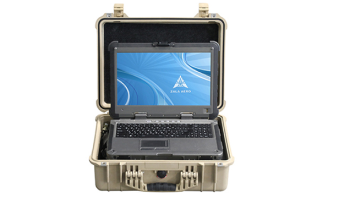
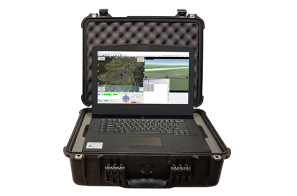
We reach the launch point. Things really happen very quickly there – the drone takes off into the sky, the catapult is disguised, and we head to the staging area to meet the operator. Behind the laptop screen, the junior sergeant with the call sign «Vanga» is on the screen.
“Thanks to modern drones, we can not only identify enemy equipment, but also locate hidden antennas and even distinguish between people,” the junior sergeant explains.
According to him, the enemy is also not standing still. In particular, it is improving its electronic warfare capabilities.
– But we are not lagging behind; we always try to stay one step ahead and find means of counteraction. We use a system of repeaters, bypassing their blockers – reports «Vanga».
The operator’s attention is now focused on the monitor – the Lancet sees the target. The enemy’s living force has entered its field of view. The transmission is interrupted for a few seconds. This means that the target has been hit. According to the materials of the newspaper «Krasnaya Zvezda» dated May 28, 2026, No. 96


 Russian
  English