
Robot clash on the Baltic
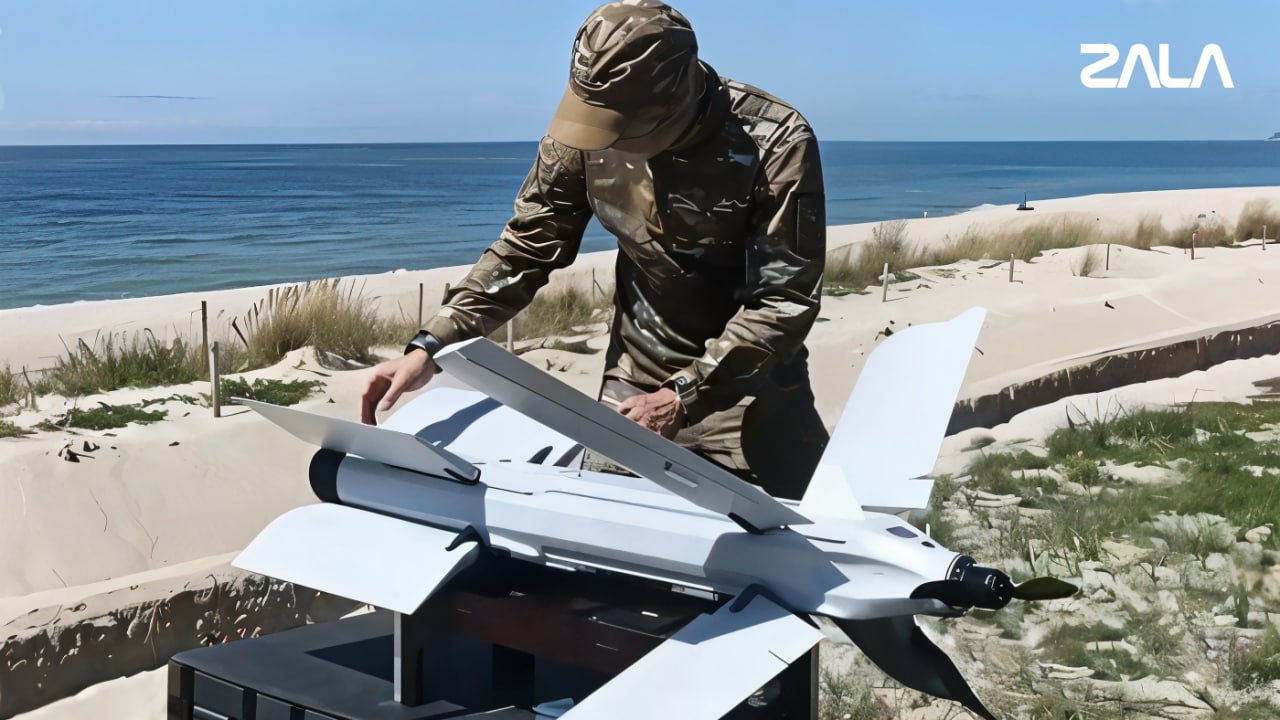
In the latest installment of our regular feature #operators — a report in the *Krasnaya Zvezda* newspaper on the participation of crews from the ZALA «Lancet» Special Purpose Unit in the Russian Navy’s «July Storm» operational exercises in July 2025.
As part of the «July Storm» exercise at the Khmelevka training ground, the Baltic Fleet practiced the integrated use of unmanned aerial vehicles and uncrewed surface vessels. On the beach, a team of several people in black neoprene wetsuits is launching an USV – an uncrewed surface vessel. In the air, the buzzing of a grey plastic «bird» – an unmanned reconnaissance drone, monitors the actions of all other robots at the training ground: both floating and flying, both reconnaissance and strike.
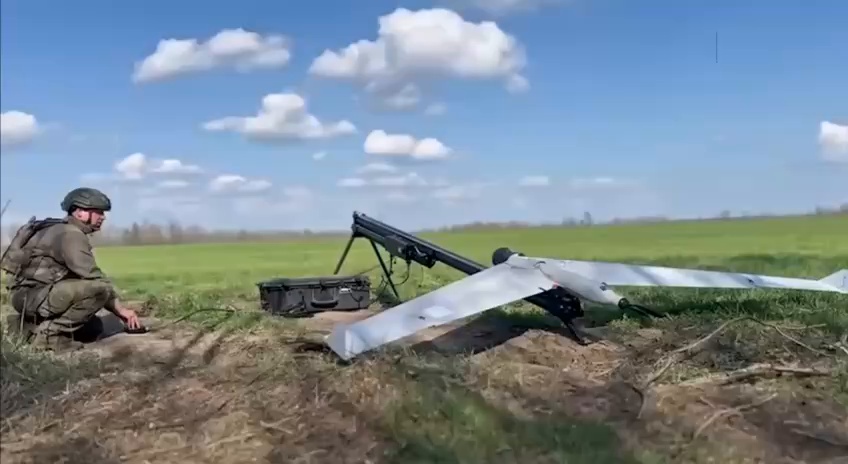
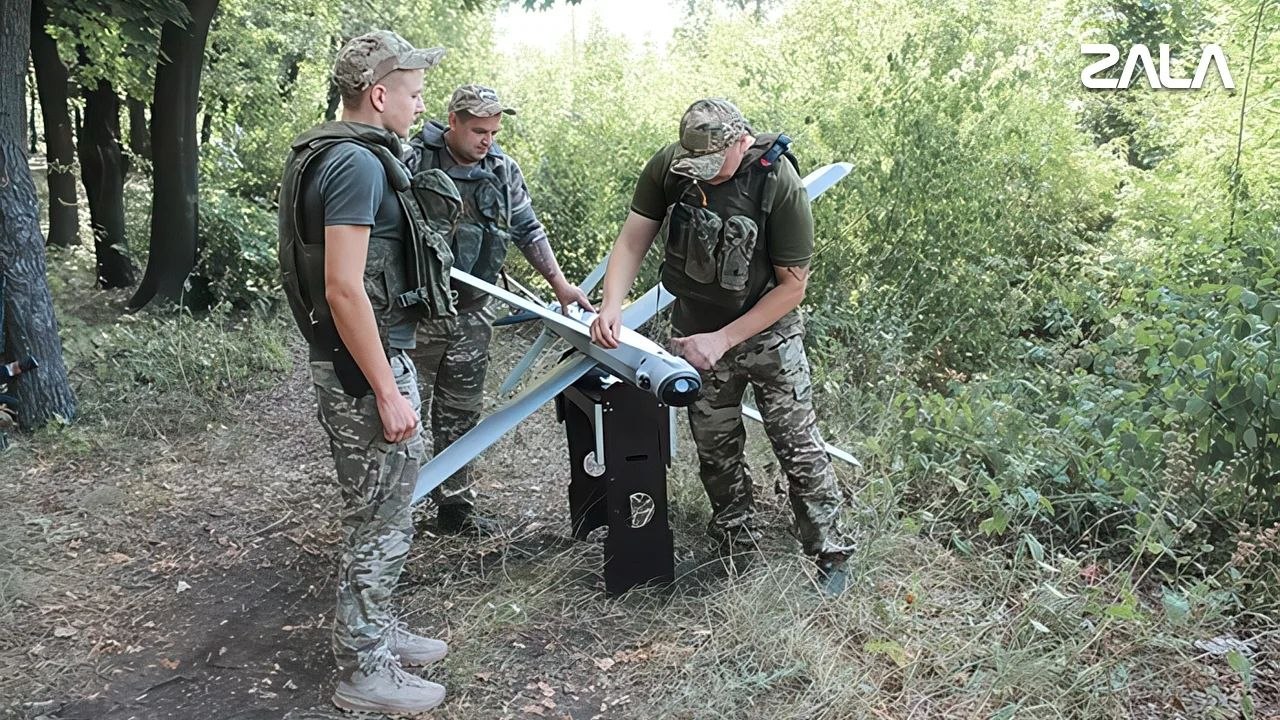
In the distance, a target ship is visible through the haze. According to the exercise scenario, this «enemy ship» will first be damaged by a «Lancet» UAV, and then finished off by an unmanned boat attack. While the technicians are tinkering with the pneumatic catapult of the unmanned «kamikaze,» the UAV operator with the call sign «Gash» explains the nuances of working with his weapon.
This is Product 52, operating in conjunction with scout Z-16. We must strike the target – an enemy missile ship that has approached the Motherland's shores. Our initial task is to disable it, and then destroy it completely using the BEC. The Lancet confuses the enemy, the BEC finishes them off.
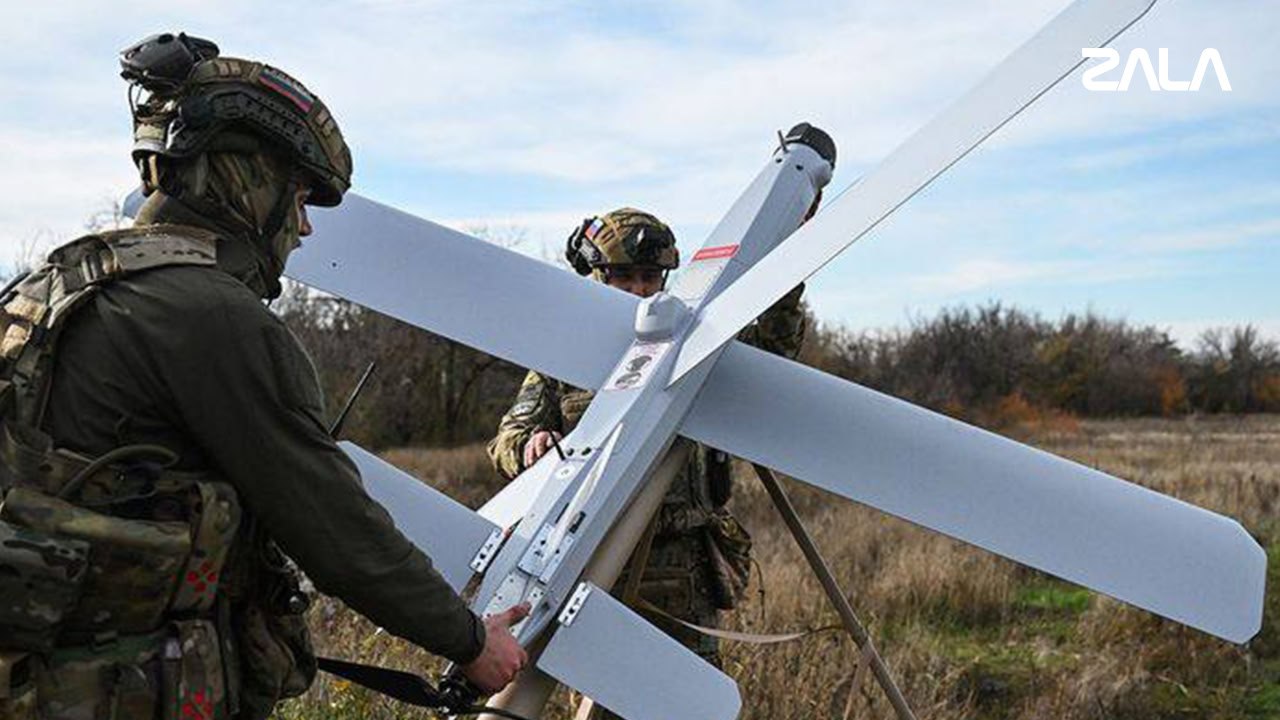
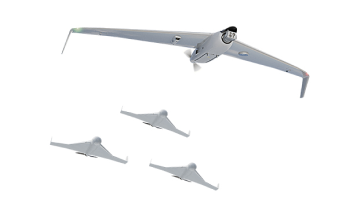
The catapult clicks, and the Lancet, with its distinctive X-shaped wings, is sent into the air. Meanwhile, the uncrewed surface vessel has long since headed towards the target ship: water is a thousand times denser than air, so the speed of surface USVs is much lower than that of aerial UAVs, and coordinating a strike requires sending them into battle earlier. Soon, the USV operator with the callsign «Tourist» will begin his main task, the result of which will mean the vessel will not return home.
– At the moment, we are working with one of the latest unmanned boat models being developed in Russia. We are currently practicing an attack on a surface target, – «Gash» continues his story. – The technical characteristics of the boat allow it to operate throughout the Baltic Sea, including in conditions of enemy electronic warfare countermeasures.
Everyone present at the training ground is intently peering into the distance, where a target ship bobs on the waves. A flash in the superstructure area causes excitement among the spectators – the «Lancet» has struck, throwing the enemy into confusion. But now the lenses of all optical devices in Khmelevka are peering even more attentively at the silhouette of the target – a UUV strike is imminent.
A blinding flash, a fountain of water and smoke above the target – the aquatic robot has caught up with the «enemy missile ship». A few seconds later, the sound of an explosion reaches the shore. Drone warfare is silent: no roar of gunfire, no hiss of missiles leaving their rails, no roar of aircraft engines. Only the quiet hum of electric motors in the sky and the flash of an explosion.
But war remains war, and people sit at the controls of drones, requiring constant training. The «July Storm» exercises are one element of this painstaking work to improve the combat skills of UAV operators, technicians, engineers, and all those who are behind the final flash in the midship section of the target vessel.
According to materials from the newspaper «Krasnaya Zvezda» of July 30, 2025, No. 139



 Russian
  English