
«Lancet is the weapon of heroes!
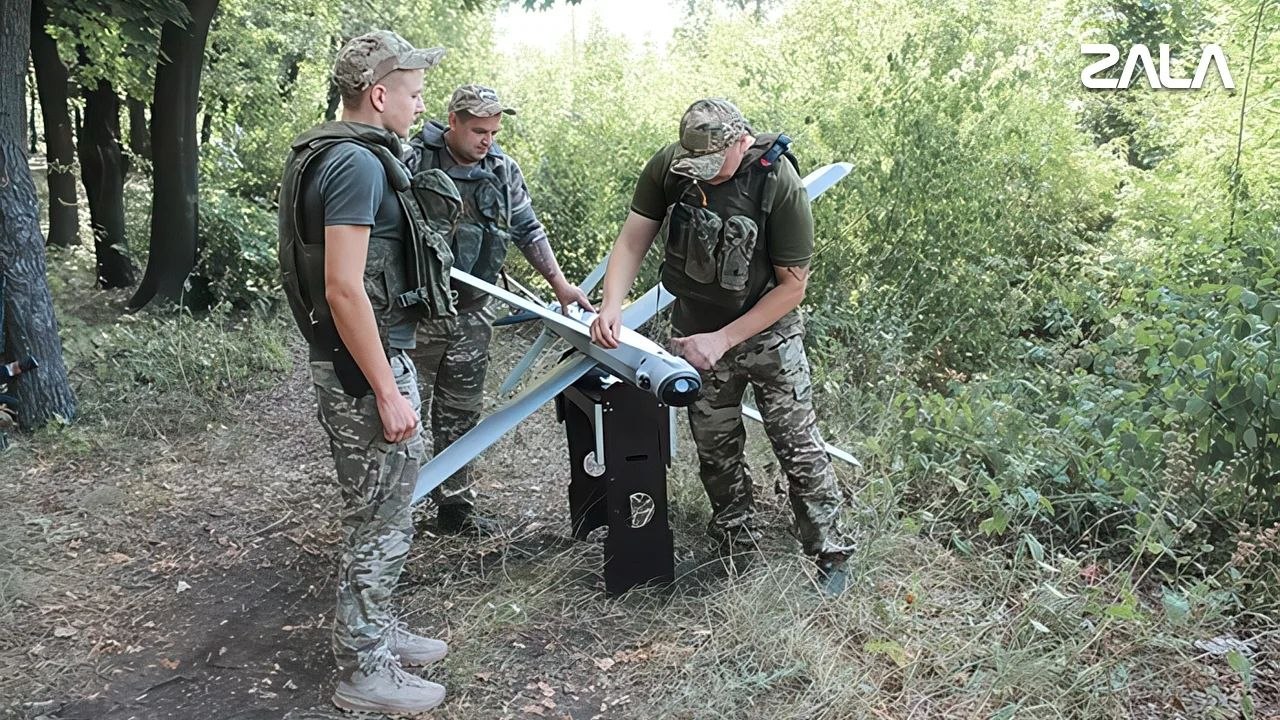
Five thousand strikes ! Behind everyone stand neither an algorithm nor a system, but real people: an operator and a technician.
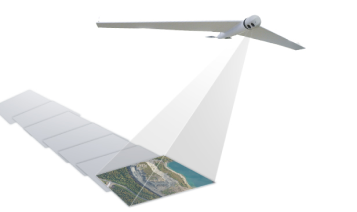
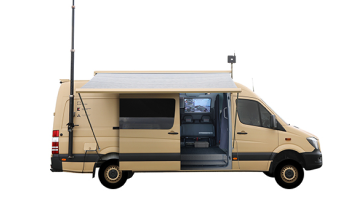
The operational process of the ZALA «Lancet» reconnaissance unit begins with reconnaissance. The ZALA UAV operator analyses: the target’s location, whether it is moving or stationary, and whether it is concealed, whilst also assessing other factors.
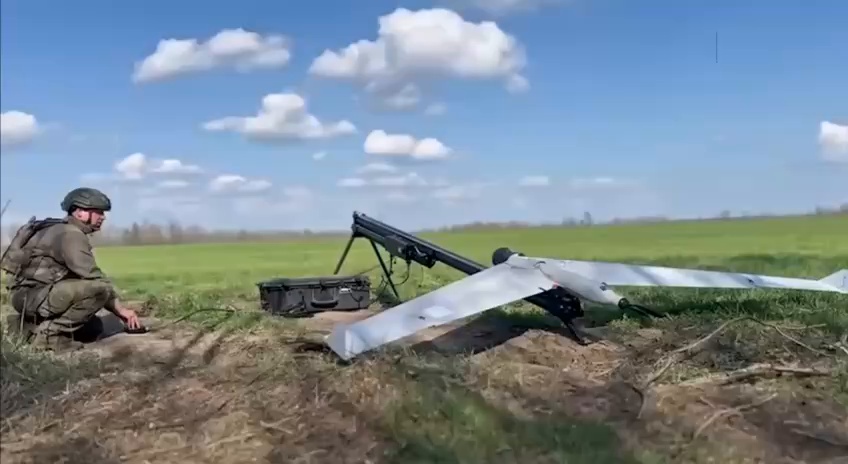
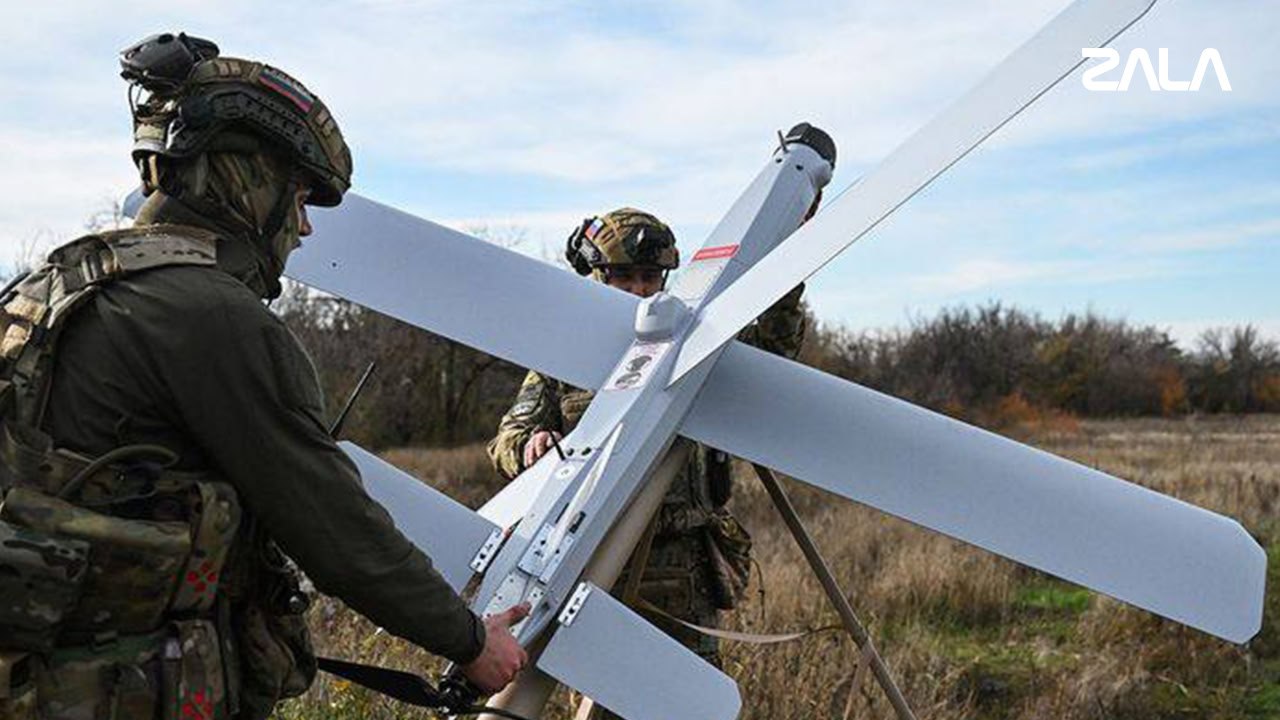
While he works, technicians prepare the loitering munition. Airframe, engine, warhead. In preparation for flight, mistakes are unacceptable.
And then the command is given: «Launch!» The Lancet tears into the sky from the catapult. The hunt has begun!
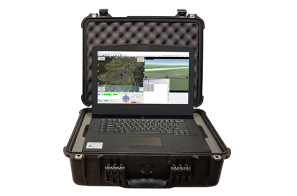
The operator pilots the Lancet, monitors the telemetry and corrects the course. The window for the attack could close at any second.
Finally — the seizure and strike. Those very seconds that make the news. What everyone sees. But behind them lie long, tense hours of meticulous preparation that remain off-screen. This is no game — this is work at the limit of concentration.
And it's like this every day. Shifts, rotations, new targets, new routes. Operators work under constant pressure: the enemy is learning, changing vehicle concealment tactics, and improving electronic warfare capabilities. That means the operator must also change, think a step ahead, and look for unconventional solutions.
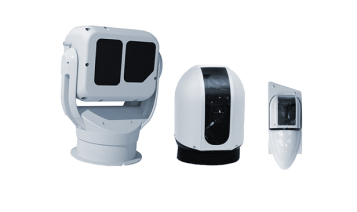
The effectiveness of the Lancets is a story not so much about technology as about the people who work with this technology at the very limit of its capabilities. The IRRA automated guidance system takes care of target acquisition, secure channels maintain the connection, and the thermal imaging camera makes it possible to operate in the dark — but the decision on where to fly and when to attack is still made by a human.


 Russian
  English