
From Sevastopol to the banks of the Dnieper
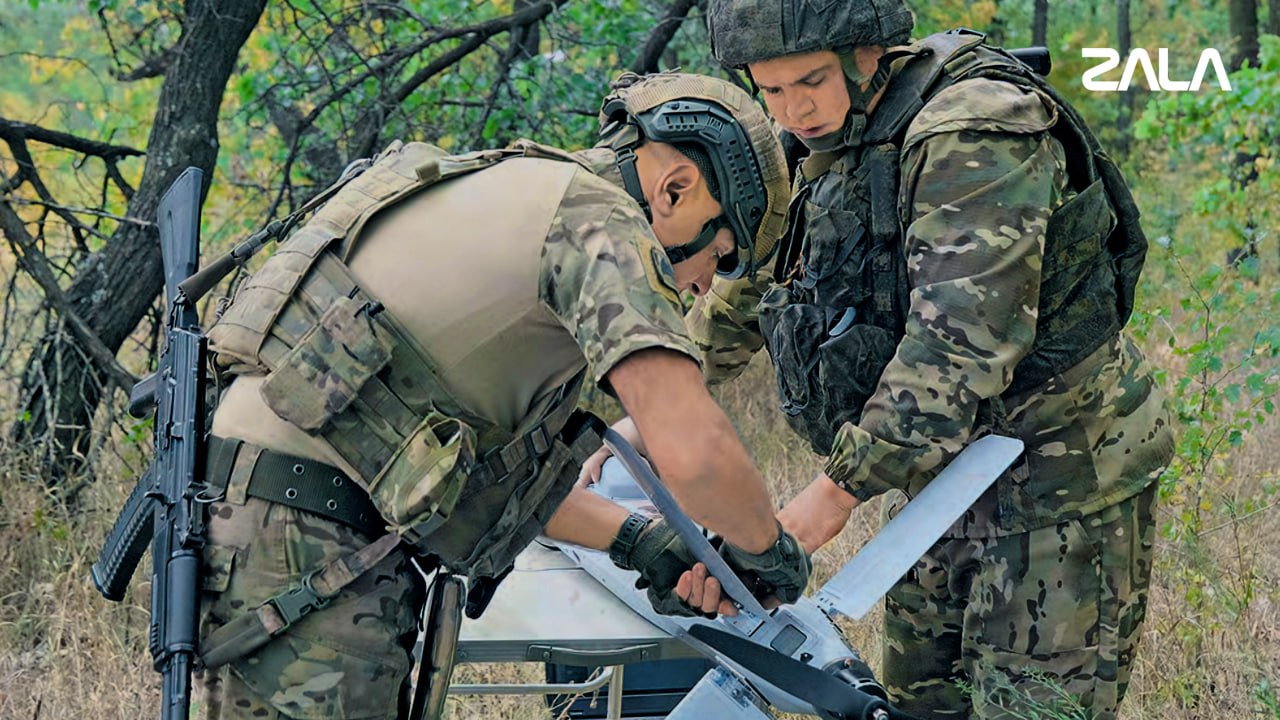
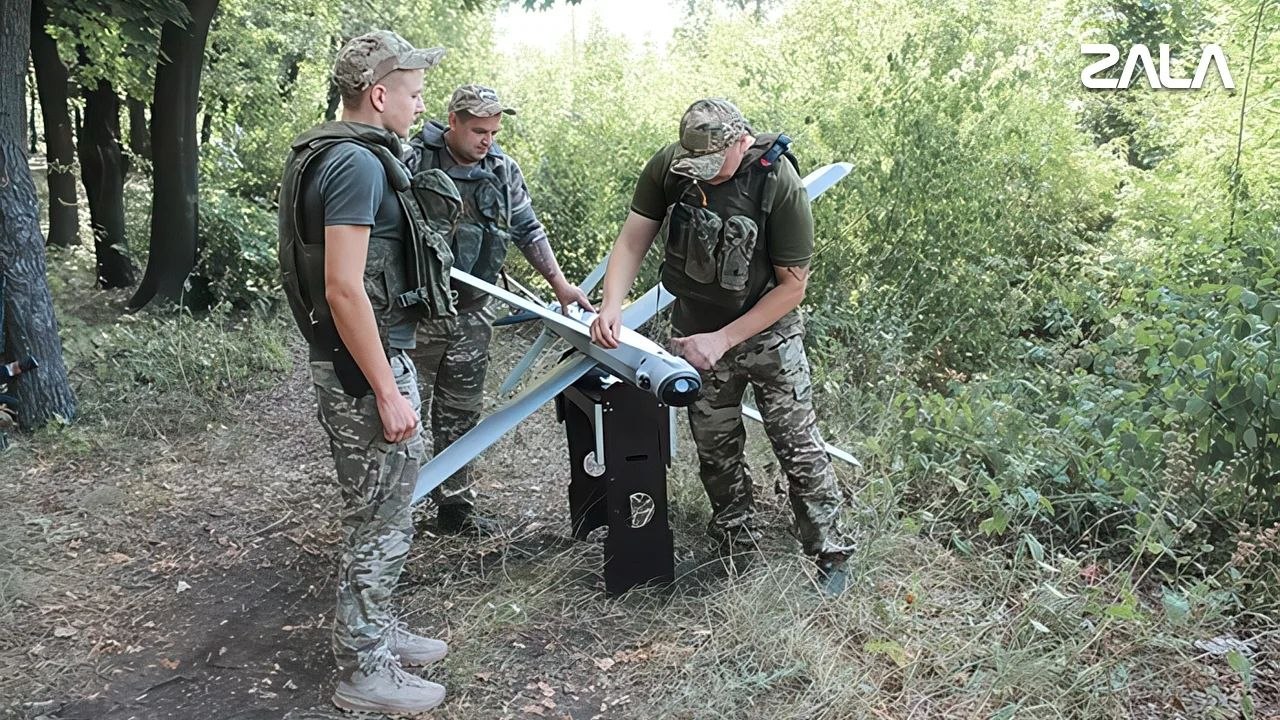
A technician-operator on the ZALA «Lancet» armoured vehicle, with the call sign «Mazay», is carrying out his duties as part of one of the crews in the «Dnipro» troop grouping. Before the start of the special military operation, he served in one of the units in the Hero City of Sevastopol. Reporters from the newspaper «Flag of the Motherland» reported on «Mazay’s» combat operations. Excerpts from an interview with him can be found in the latest edition of the column #operators.
The service of the Lancet technicians is indeed no walk in the park. The system can be used at any time of the day or night, and combat missions involve deployments both day and night. The weather on the banks of the Dnipro is changeable and peculiar; within a short space of time, clear, almost summer-like weather easily gives way to a chilling autumn wind and rain.
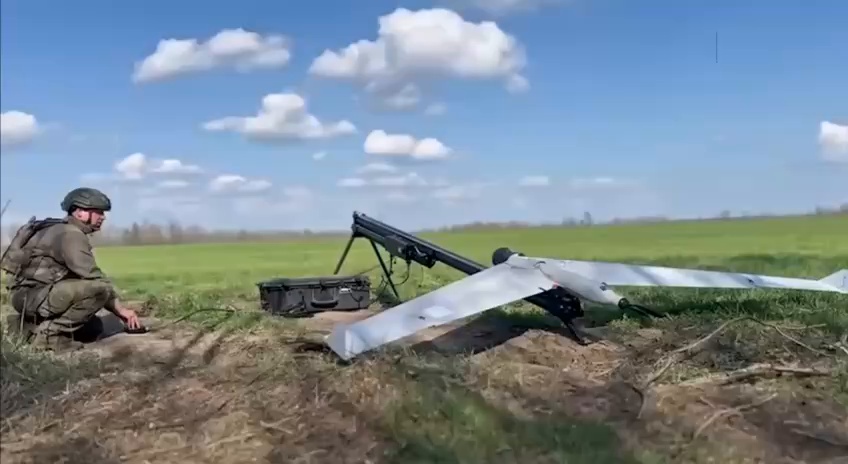
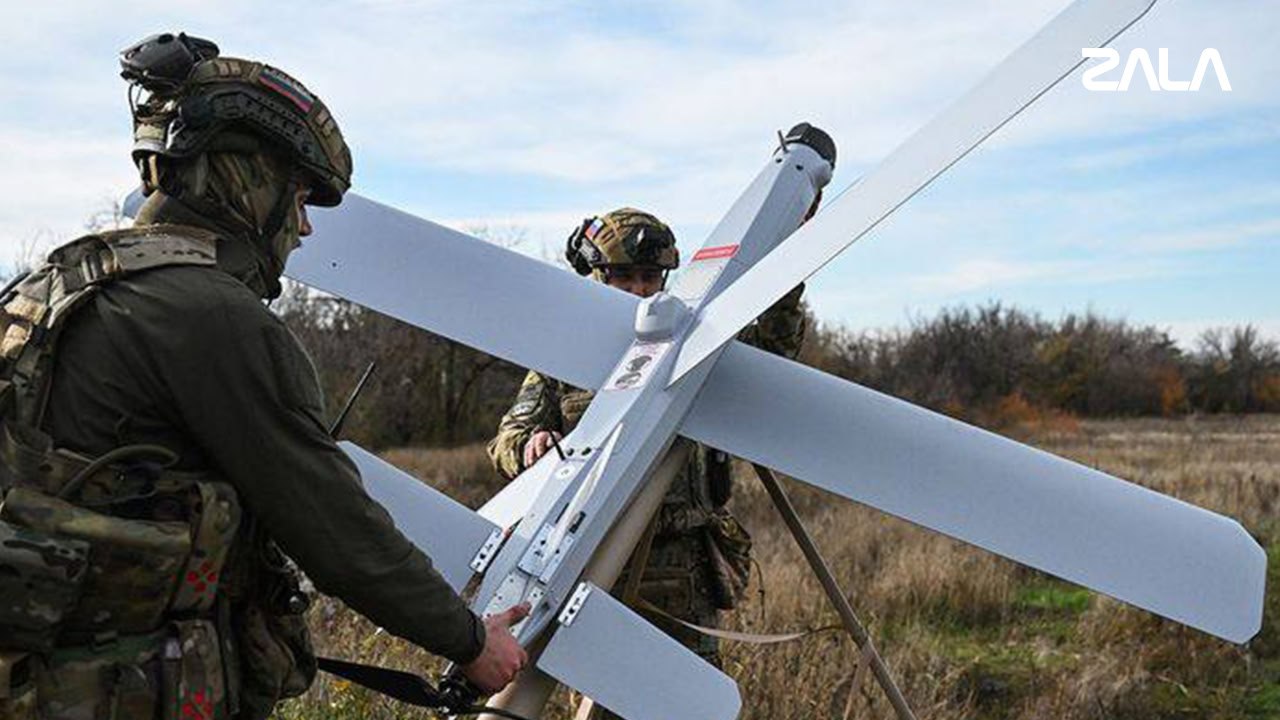
«Put simply, my job is to make sure our Lancet successfully takes off and hits its target,» says Mazay. «Before every flight, I check the device, arm the warhead and carry out the necessary technical operations. The most critical part of the job is the correct weight distribution of the munition. Once the Lancet is armed, fully checked and ready for combat use, I mount it on the launcher, carry out pre-flight tests and launch it into the sky. All these actions have been rehearsed well over a hundred times and refined to a reflex. Even if you woke me up in the middle of the night and sent me on a mission, everything would be done right.».
When setting off on a task, the crews need to take into account not only weather conditions, but also enemy activity in the sky. It sometimes happens that the lads manage to carry out their mission unnoticed, but much more often a veritable manhunt is launched against them. As Mazay admits, this is the most difficult part of his job.
From a technical point of view, there is nothing complicated about working with this system. The hardest part is the moral and psychological readiness to carry out assigned tasks under enemy fire. The closer the launch position is to the banks of the Dnipro, the more attentive and cautious one must be. In the sky above the places where we most often operate, enemy «birds» hover almost round the clock. On the ground, the situation is not much safer: hesitate for a moment or poorly conceal your position, and you come under enemy artillery fire.
My interlocutor is engaged in combat operations around the clock, and even now, when a rare moment of peace and quiet has presented itself, he is thinking about the upcoming tasks.
– Some might think that our job isn't all that difficult. It's a piece of cake: move into position, «launch» the munition, and hit the target. That's the picture they show on news programmes and in briefing reports,« says »Mazai«, adjusting his body armour. – In reality, things are rather more complicated. It never happens that when we set out on a mission, we don't know what we'll have to work with. We receive information about the target from higher command, ready the necessary warhead, and only then start operating in the field. Right now, we mainly operate against enemy barrel artillery, armoured combat vehicles, fortified areas, and enemy UAV command posts. Other targets in our sector are rarely seen nowadays. A few months ago in our sector, we repeatedly recorded enemy vehicle movements on the other side of the Dnipro. NATO »armour' was also spotted west and east of Kherson and in the Novaya Kakhovka area. Naturally, we engaged this hardware and successfully destroyed it.
Based on the issue of the «Flag of the Motherland» newspaper dated 17 October 2025, No. 93



 Russian
  English