
Kite with a silicon heart
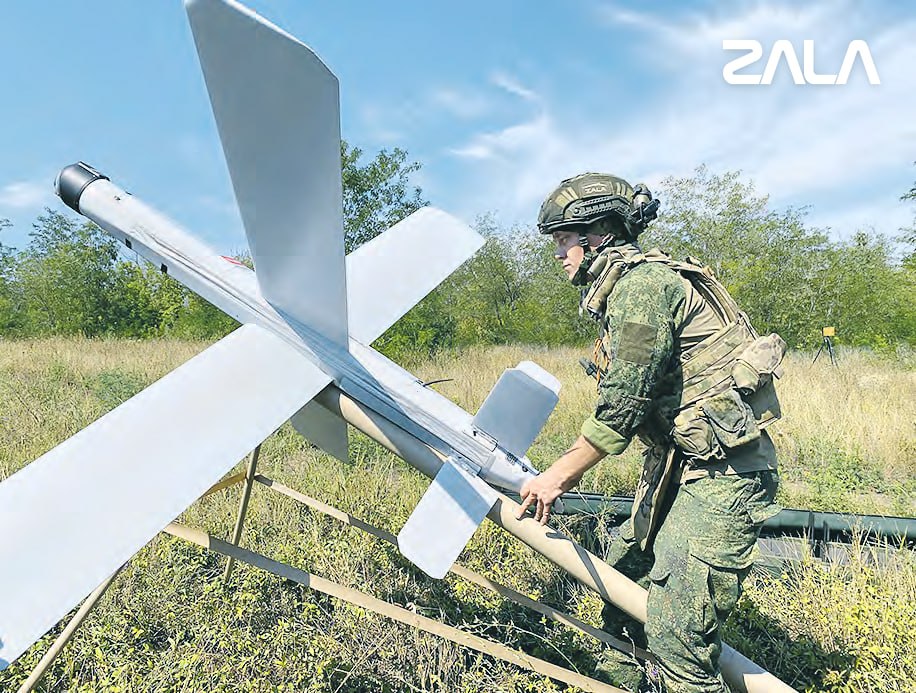
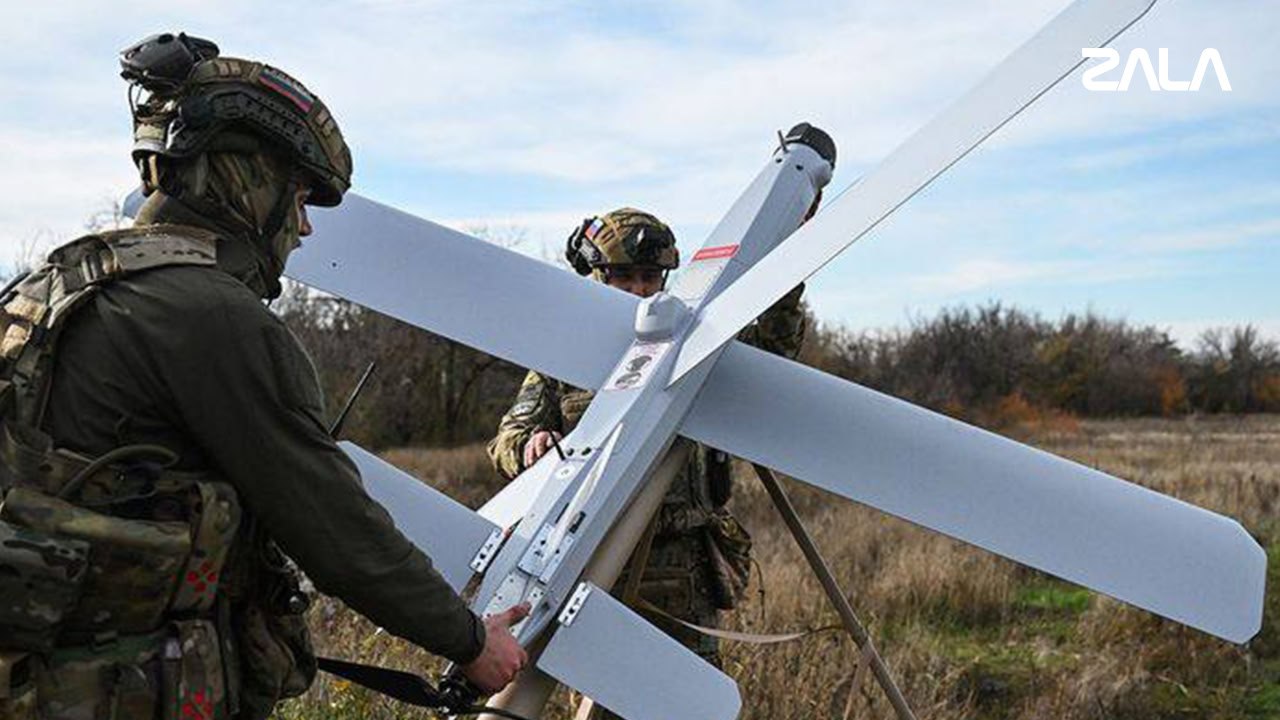
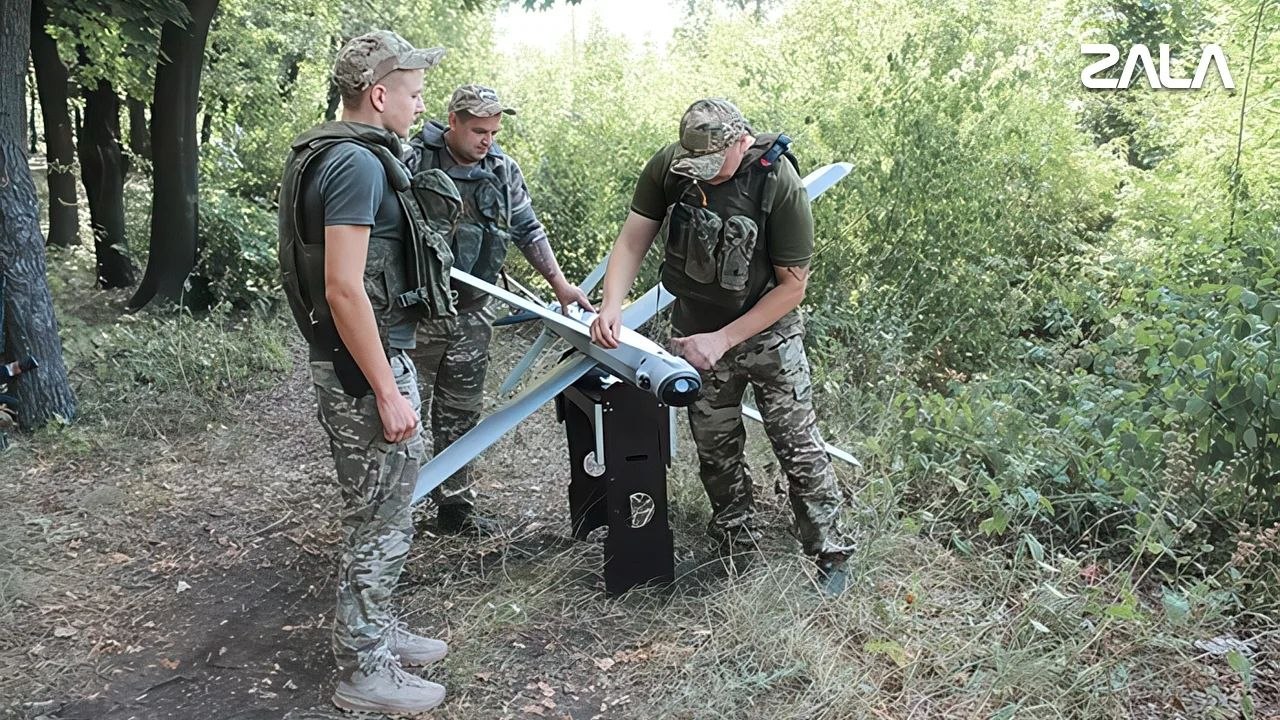
Operators of the ZALA «Lancet» UAVs from the «Centre» Army Group — on their combat operations and the capabilities of the ZALA UAVs in the latest instalment of the series #operators.
The reconnaissance-strike unit of the «Centre» grouping of forces is operating in the Krasnoarmeysk direction.
«The first thing I’d like to mention is the quality of the footage transmitted by the »Lancet«,» says squad commander Elisey Avil. «The camera is good enough for us to detect targets on our own. That’s very handy.» But despite the high image quality, we still work in constant contact with a reconnaissance UAV. Operating in tandem with specialised equipment boosts our effectiveness, regardless of the camera’s quality. Another advantage is the ability to change the warhead and load different charges depending on the type of target and its position. Plus, we mustn’t forget the automation. Artificial intelligence is very useful and helps us with guidance. Even if the target is shielded by electronic warfare systems and we lose a stable link with the ‘Lancet’, the AI can adjust its flight path and still destroy the enemy, despite the countermeasures. See the job through to the end, so to speak. The thing is, the built-in AI has a database of silhouettes of common targets. It’s trained to recognise them and assist the operator in engaging targets. It’s trained just like a service dog. All in all, the ‘Lancet’ is a highly effective piece of kit. Here’s a real-life example of its usefulness: over the last 10 sorties, we’ve hit 10 targets. What’s more, all of them were guaranteed to have been destroyed, as confirmed by objective monitoring systems. As I’ve already mentioned, we operate in tandem with a reconnaissance UAV. The ZALA both guides us to the target and confirms the effectiveness of the strike.
In response to the question about what targets he has had to destroy and what he feels when doing so, Elisei notes:
– A great many targets were hit, we don't keep count. We destroyed enemy armoured vehicles, transport, radar stations, and various technical intelligence assets. There were also Western models: American M777 towed howitzers, French CAESAR self-propelled guns. And, perhaps the main object of pride – a German Leopard tank. We immobilised it with two hits, and then directed artillery fire which completely destroyed the vehicle.
Senior operator Grigory Pukhov, who has been striking the enemy with «Lancets» for almost two years, has no less to tell.
– «Lancets» have changed significantly over time. What's most pleasing is the improved battery, which extends the range, and the increased warhead. We now most often work within the framework of counter-battery fire,« says Grigory. »If Ukrainian artillery decides to shoot, we quickly and decisively fly out to correct that misunderstanding. It turns out that in today's conditions, our main targets are towed howitzers, self-propelled artillery pieces, and multiple rocket launchers. We usually fly deep into enemy defenses, 20–25 kilometres from the line of contact. The "Lancet" has huge potential for further modernisation. This generation is clearly not the last. Personally, I am particularly anticipating the development of artificial intelligence. It increases autonomy and resistance to electronic warfare means. And this is just the beginning. Just five years ago, I never even thought I would see such innovations. It was something completely fantastic. It hits targets more accurately and effectively than when it's controlled by an operator alone. Don't get me wrong, the decisive role is and will be human, but AI assistance is indeed very useful.
However, no future innovations will be more significant than what already makes the Lancet the most effective loitering munition in the world – it is the courage, resilience, and professionalism of its operators.
According to the newspaper «Ural Military News» dated 20 August 2025, No. 68


 Russian
  English