
Record 55 million km in the civil sector: ZALA takes fuel and energy complex monitoring to a new level
Today, Russia's fuel and energy complex is a recognised global leader in the scale and pace of unmanned technology adoption. In just five years, the proportion of companies in the sector using artificial intelligence has tripled – such rapid growth confirms a high readiness for innovation and further solidifies Russia's global lead in the practical application of these solutions.
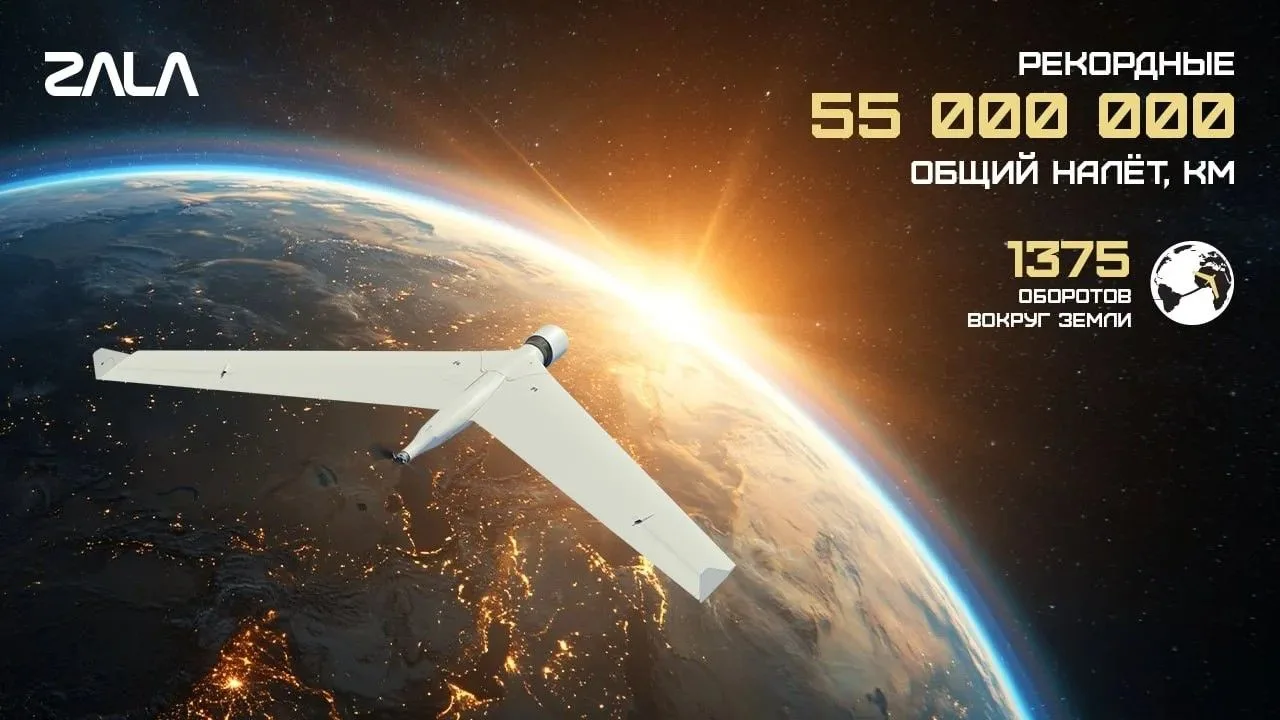
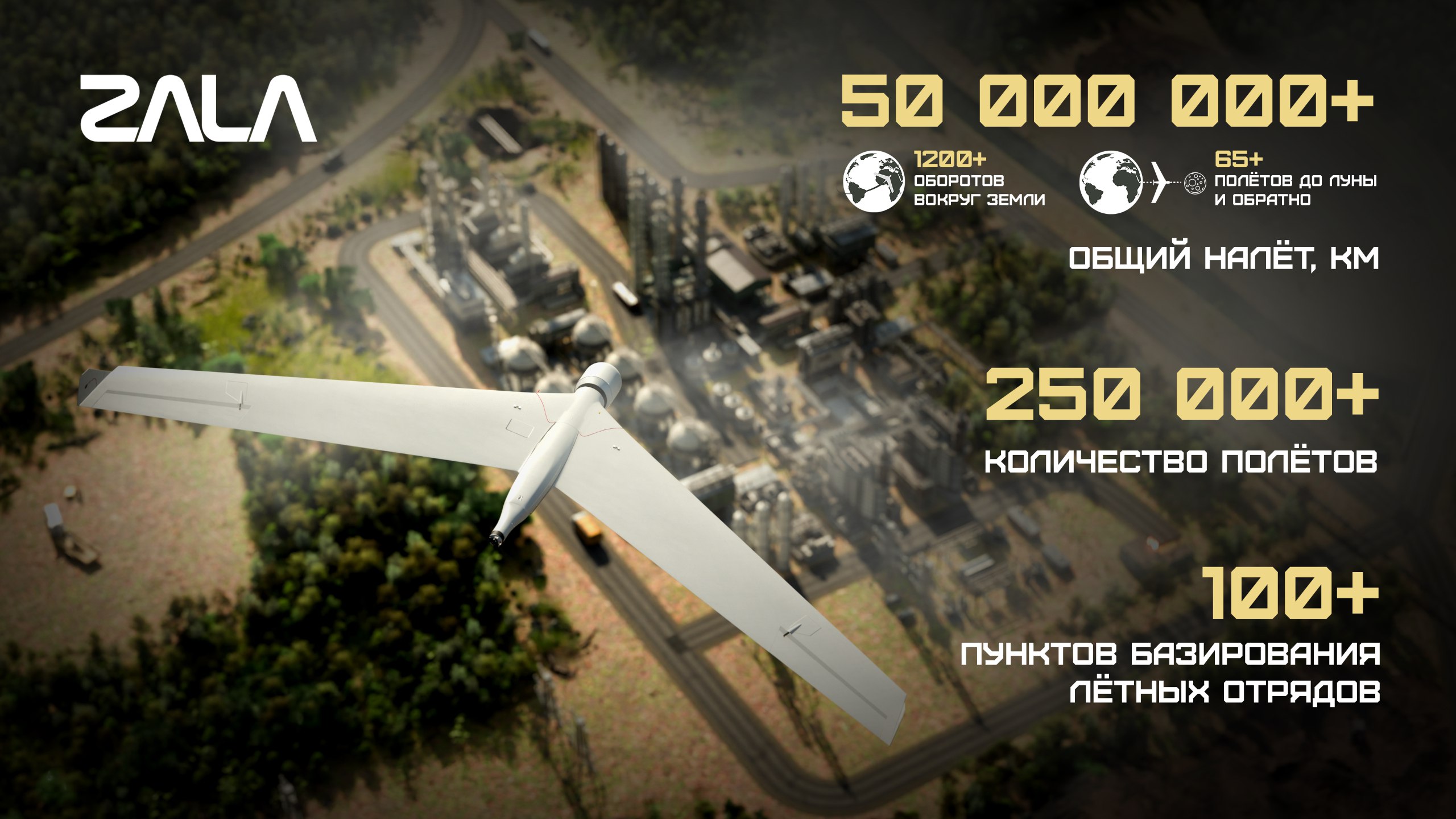
At the forefront of this movement is ZALA. The company's cumulative flight distance for civilian aerial complexes has reached a record 55 million km. This distance is equivalent to 1,375 laps around the Earth at the equator. This level of intensity is due to the technological evolution of its systems.
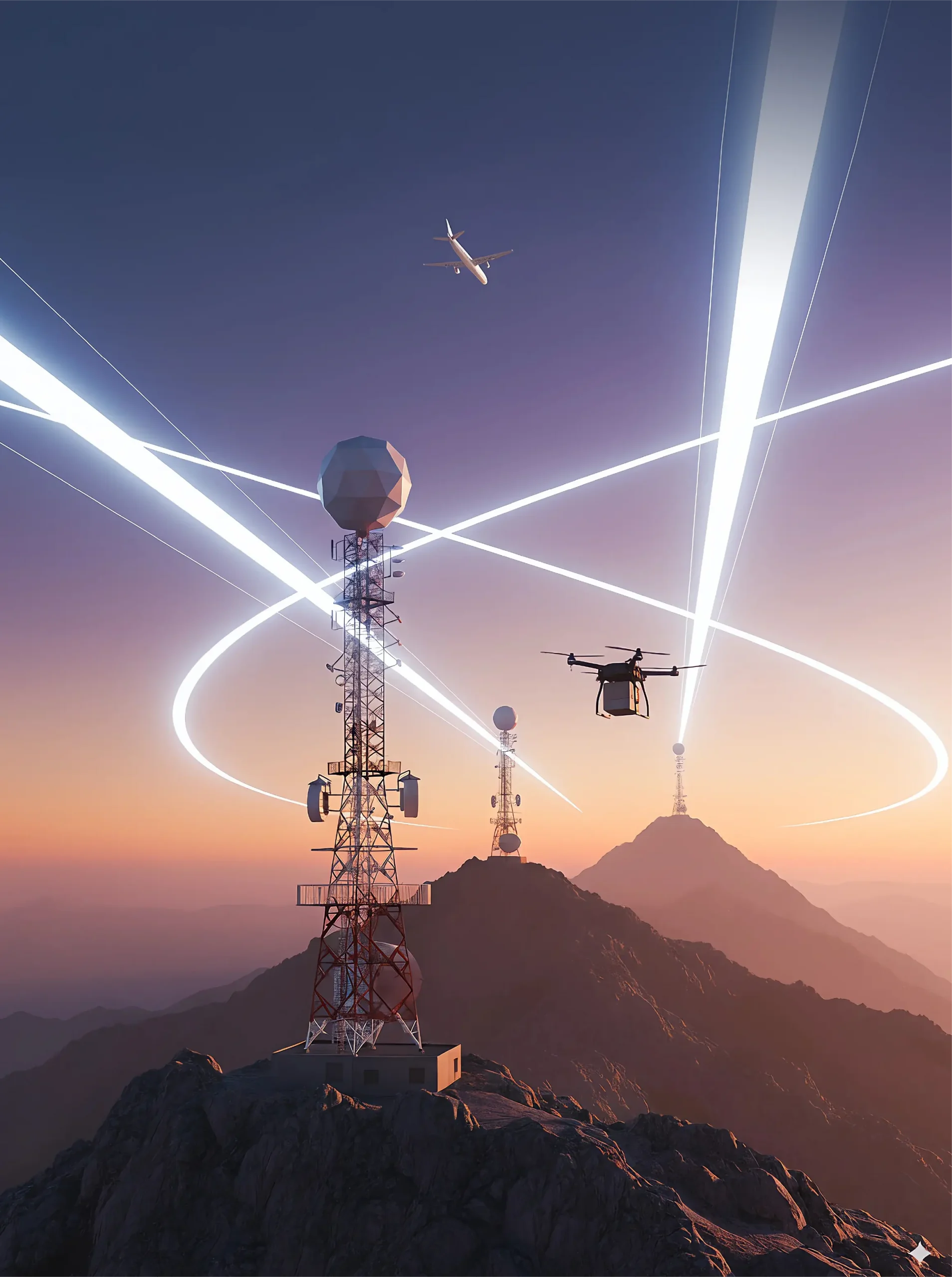
The key change in recent years has been the shift from video recording to autonomous data analysis directly on board. IRRA hardware and software complex allows UAVs to process video streams in real-time and detect deviations. In conditions of active electronic interference, the stability of the unmanned complex is ensured by protected communication and alternative navigation. In this case The flight duration has recently increased by 25%.
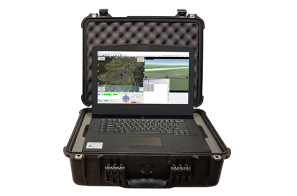
The ZALA software ecosystem also plays a significant role. Digital platform ZALA 4Z1 Provides flight data processing using artificial intelligence-based algorithms, integration of all operations and data transfer, uniting all parts of the complex into a single information network for effective monitoring tasks.
Many years of operation at the country's largest fuel and energy complex (FEC) facilities have confirmed the reliability of ZALA technologies, which have effectively become the industry standard. The Russian FEC, which services one of the longest energy infrastructures on the planet, confirms the significance of implementing unmanned systems and AI analytics for efficient operation over the vast distances of the world's largest country.




 Russian
  English