
ZALA in Antarctica: Results of Work as Part of the Russian Antarctic Expedition
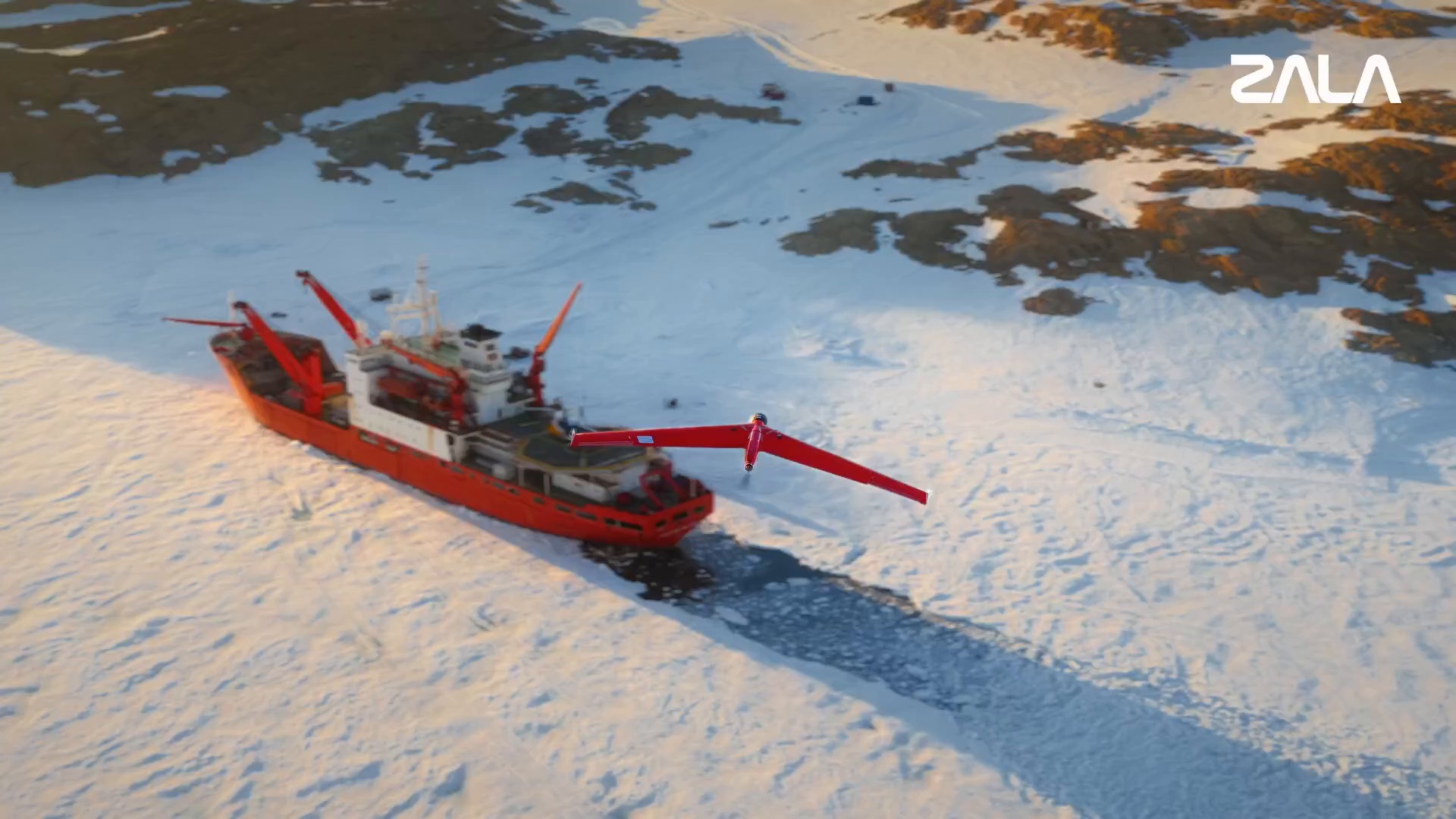
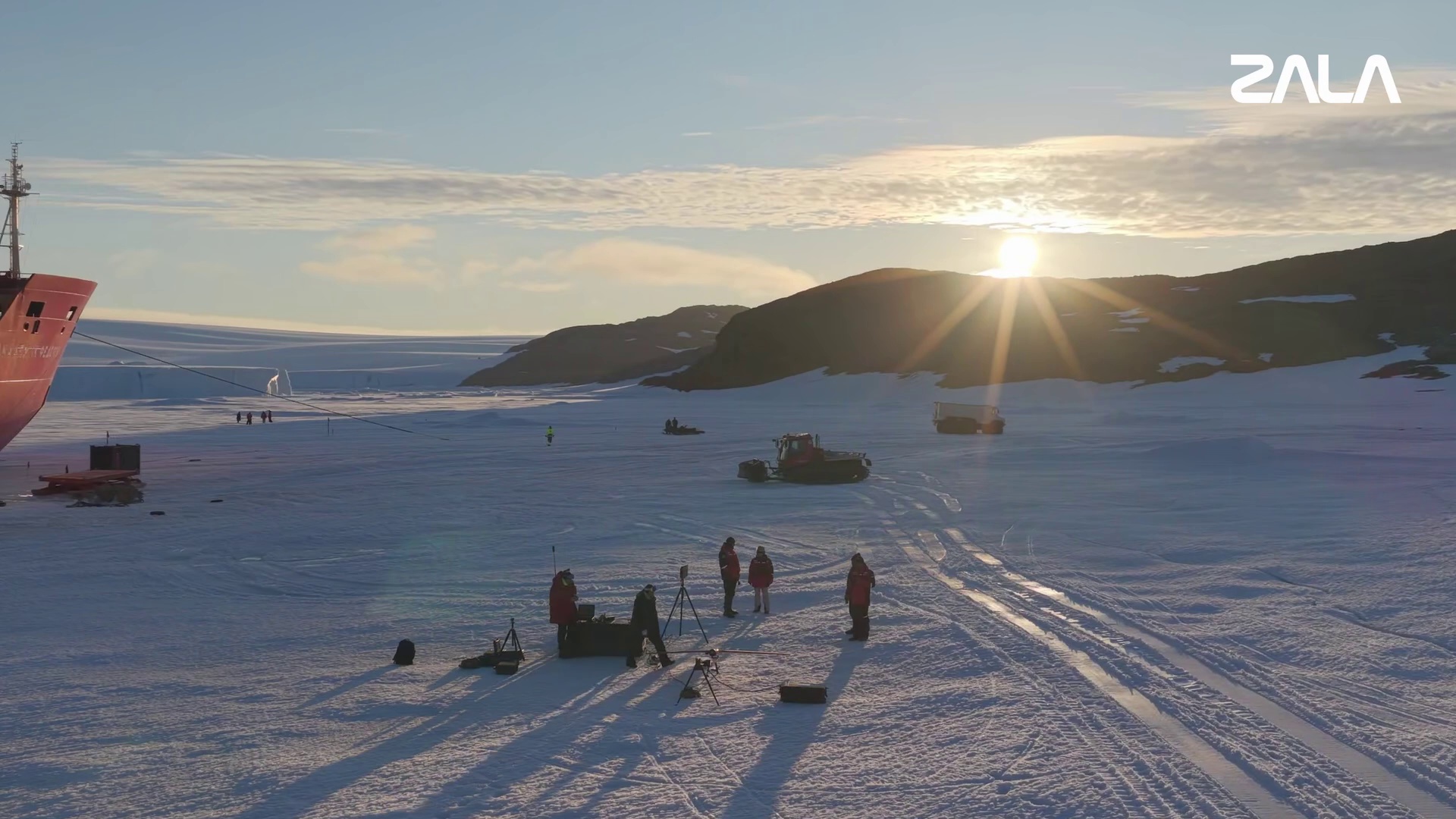
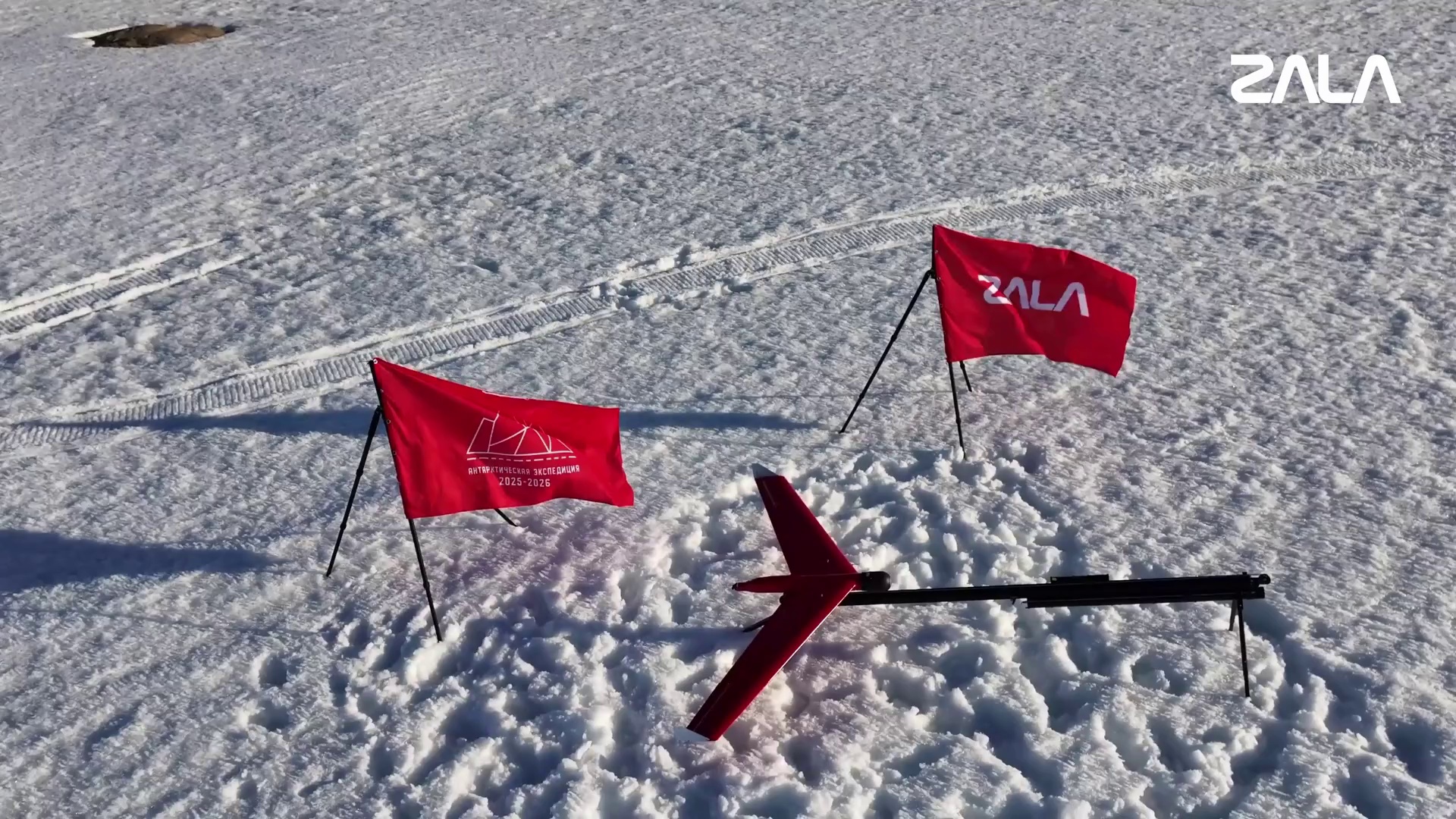
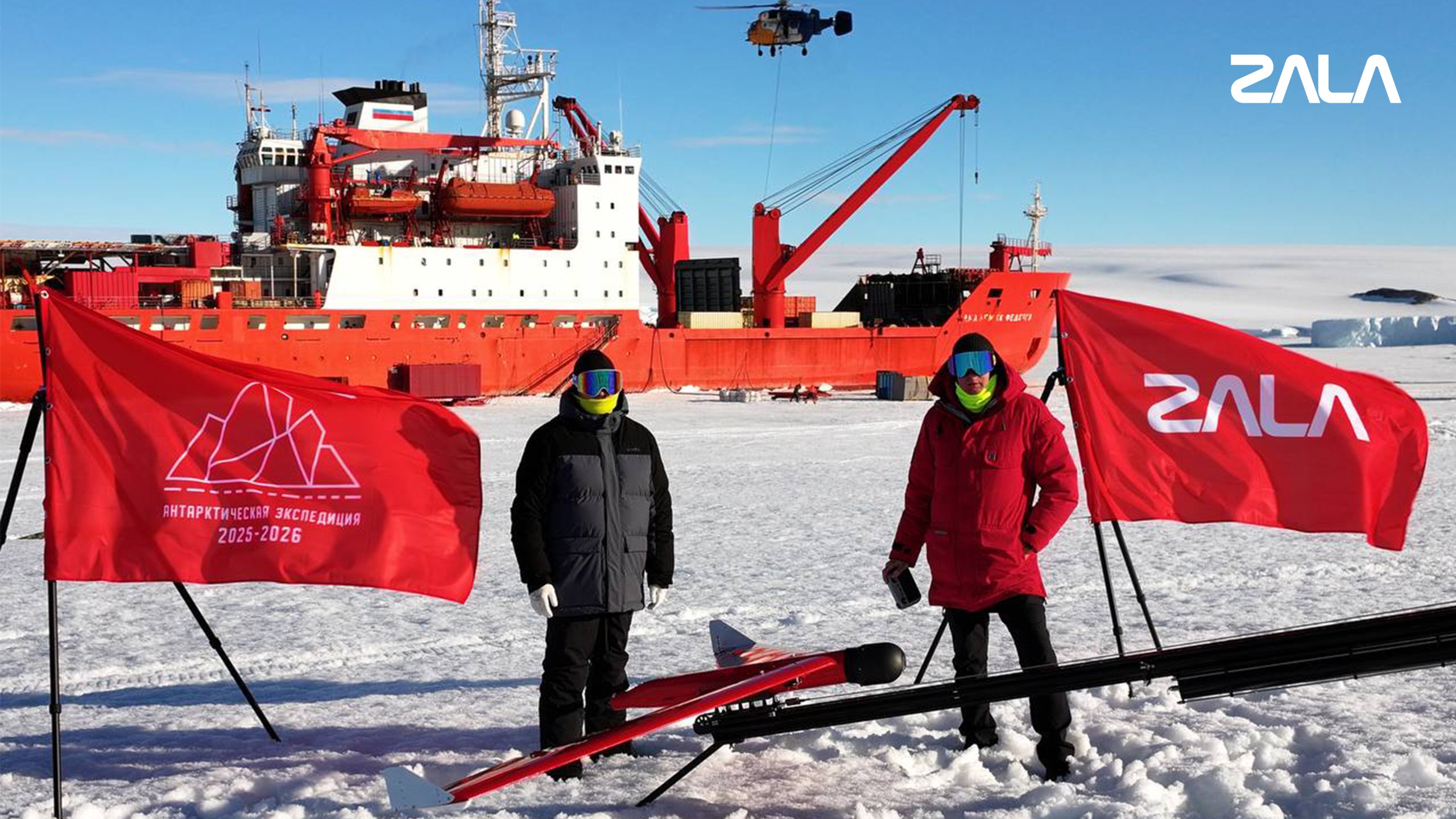
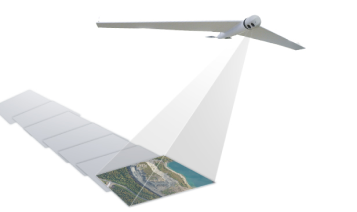
Another Russian Antarctic Expedition (RAE) has come to an end. For the first time, ZALA employees took direct part in its work, although cooperation between the AARI and the company began long before the anniversary expedition: back in 2019, specialized unmanned aerial vehicles conducted a comprehensive survey of the Antarctic coast. During the current expedition, the ZALA T-16 complex confirmed its effectiveness in the extreme conditions of high latitudes. At the Progress, Mirny, and Novolazarevskaya stations, ZALA UAVs performed laser scanning of the terrain, aerial photography of ice fractures, and monitoring of the coastal zone. The equipment maintained stability under low temperatures, storm winds, and electromagnetic disturbances, providing specialists of the Arctic and Antarctic Research Institute with unique data sets for biological and climate research.
A key technological stage — the first ever remote control of an unmanned aerial vehicle in Antarctica from the territory of Russia. Operators from the Izhevsk Flight Control Center took control of the ZALA T-16, located thousands of kilometers away. Over-the-horizon communication and integration with the ZALA 4Z1x digital platform ensured the transmission of telemetry and high-definition video in real time. In remote mode, the complex conducted surveillance of hazardous areas and penguin colonies.
Another important achievement — aerial photography of a penguin colony on Kameny Island near the Mirny station. The area is closed to human visitation to preserve the penguin population. From an altitude of several hundred meters, without disturbing the birds, the ZALA T-16 created a detailed orthophotoplan of their habitat. The experience of the anniversary Russian Antarctic Expedition (RAE), commemorating the 70th anniversary of the first Soviet expeditions, confirmed the readiness of Russian UAVs for regular operations in the harshest regions of the planet.


 Russian
  English